A Guide to Finding Used and Senior-Friendly Hyundai SUVs For Less
If you're a senior shopper, finding a safe, easy-to-drive used Hyundai SUV for around $15,000 is realistic, but a few details specific to these model years deserve a close look before you buy: theft protection, warranty coverage, and engine history.
This guide spotlights five used Hyundai options, what makes them comfortable and confidence-inspiring for older drivers, what to check before you buy, how to time your search around promotions, and a checklist to make sure the vehicle you choose truly fits your needs.
5 senior-friendly Hyundai SUVs around $15,000 (used)
Hyundai's small and midsize SUVs stand out for their manageable step-in height, supportive seating, intuitive controls, and wallet-friendly ownership. Many trims from the mid-2010s onward add driver-assistance tech and smartphone integration for familiar, simple-to-use features, though much of that equipment is on higher trims, so confirm what a specific vehicle has.
Used pricing varies by mileage, trim, condition, and local demand, so compare multiple listings and confirm equipment on the exact VIN before you buy. Check IIHS and NHTSA safety ratings for the exact model year as well.
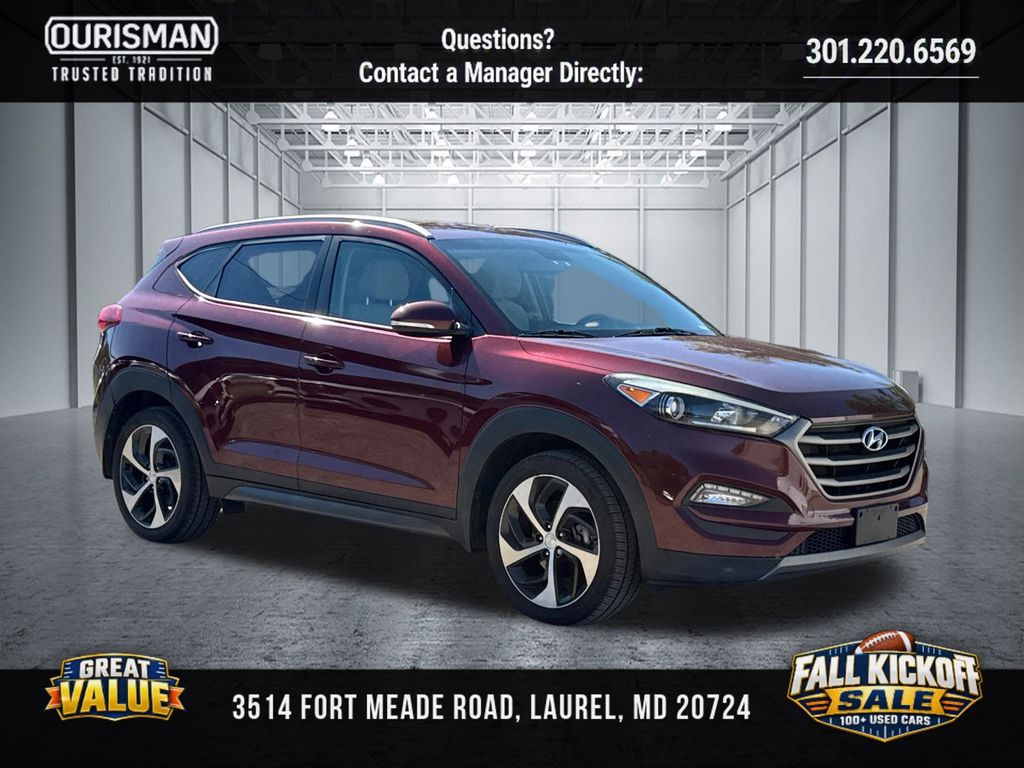
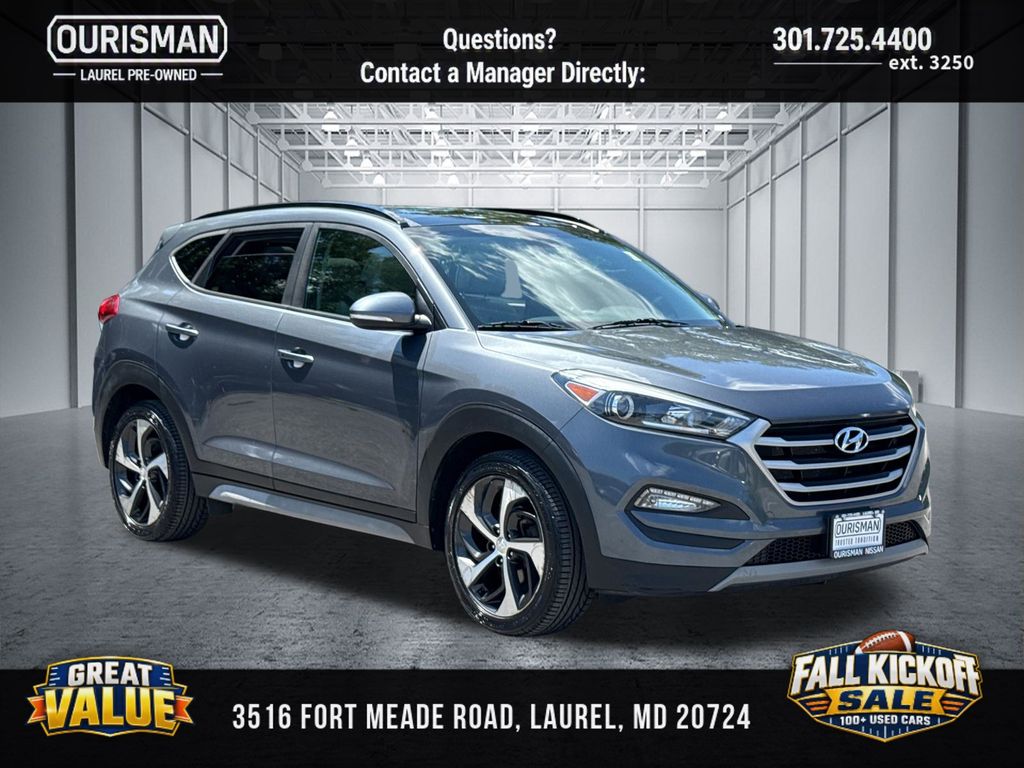
1) Hyundai Tucson (2016–2019)
The Tucson hits a sweet spot for seniors: compact outside, roomy and comfortable inside. It's easy to park, offers good visibility, and many 2017–2019 trims add features like blind-spot monitoring, rear cross-traffic alert, and Apple CarPlay and Android Auto.
- Why seniors like it: Gentle ride, straightforward controls, and solid visibility.
- Around-$15k sweet spot: In recent listings, 2016–2019 models commonly run from about $9,500 to $14,500 depending on mileage and trim, and some 2020s with high mileage come close to $15,000.
2) Hyundai Santa Fe Sport (2014–2018)
The two-row Santa Fe Sport, the predecessor to today's Santa Fe, offers a calmer ride than many compacts and more cargo room for mobility aids or luggage. Many examples include a power driver's seat, heated seats, and a power liftgate.
- Why seniors like it: Plush seats, a quiet cabin, and easy highway manners.
- Around-$15k sweet spot: 2014–2018 models are often available under $15,000 depending on miles and trim.
- Check the engine history. This is the model where engine records matter most. See "Before you buy" below.
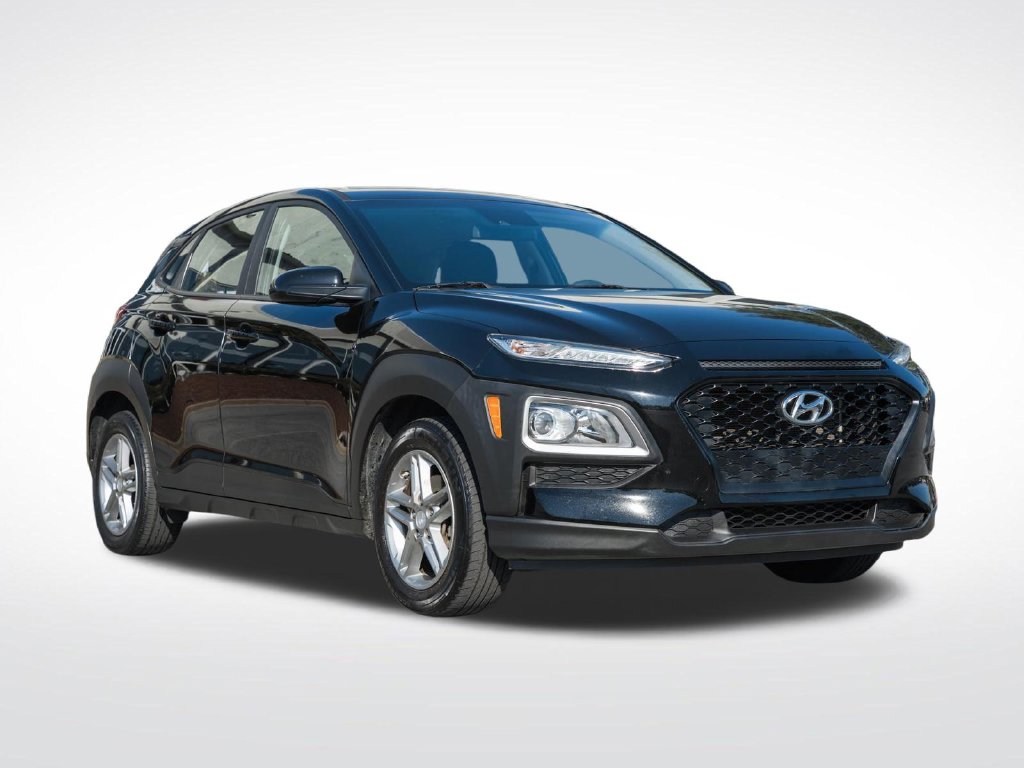
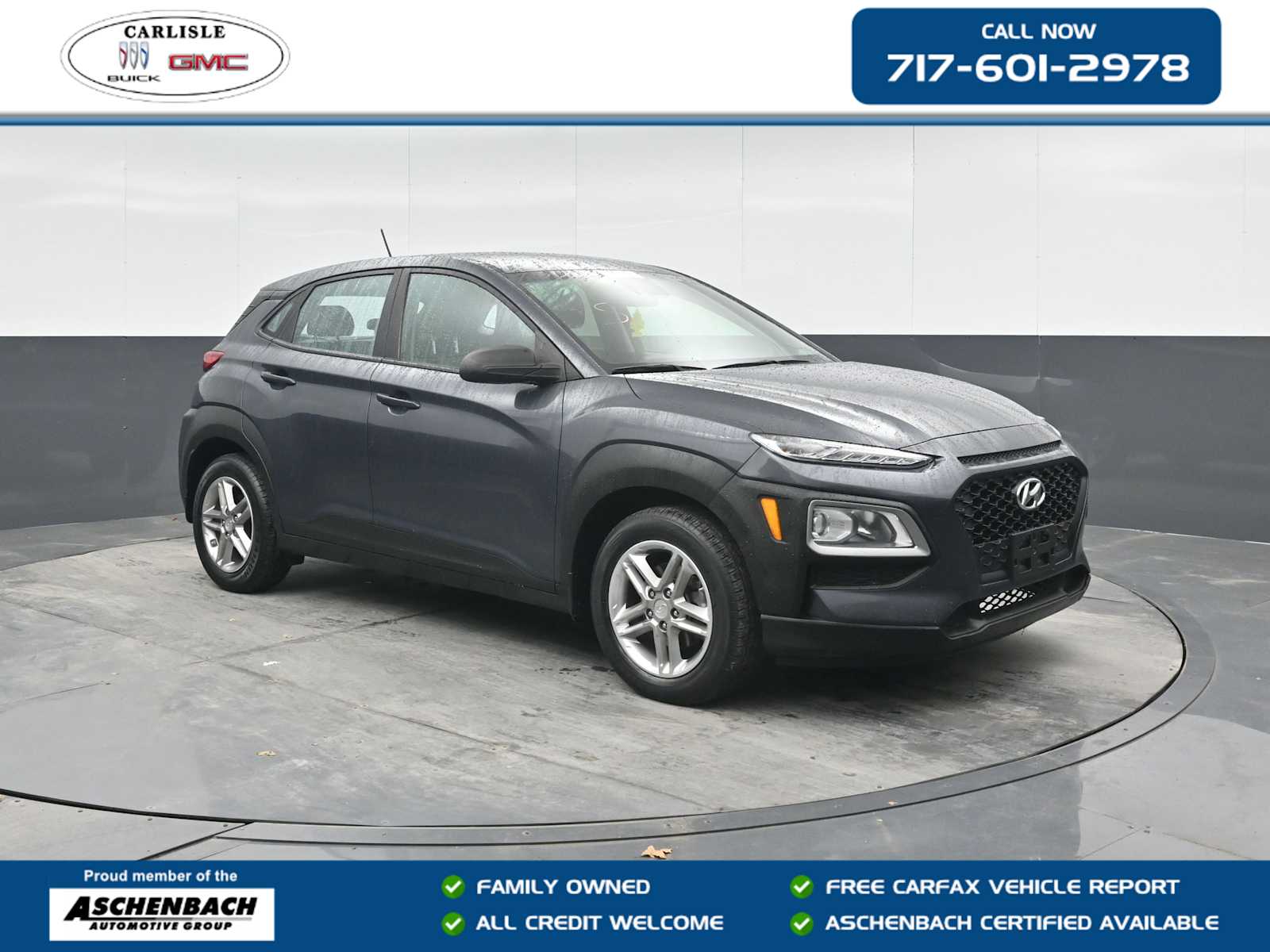
3) Hyundai Kona (2018–2019)
Prefer something small and nimble? The Kona is upright and easy to see out of, with tidy dimensions that simplify errands and parking. Safety and smartphone features are strongest on higher trims.
- Why seniors like it: Light steering, good value, strong fuel economy, and a city-friendly size.
- Around-$15k sweet spot: 2018 models are often under $15,000, while 2019 models and higher trims can run a bit above it.
4) Hyundai Santa Fe (2013–2016)
If you occasionally bring the grandkids, the three-row Santa Fe (the longer-wheelbase version sold in these years) provides extra seats and cargo space without feeling unwieldy. Available lumbar support and a composed highway ride help keep longer trips relaxing.
- Why seniors like it: Family-friendly space, a smooth ride, and an easygoing driving experience.
- Around-$15k sweet spot: 2013–2016 models often qualify depending on condition and miles.
5) Hyundai Venue (2020–2021)
The Venue is a high-seating, budget-friendly subcompact and one of the newer options near $15,000. It offers a great view of the road, simple controls, and excellent fuel economy.
- Why seniors like it: Easy in and out, small-car simplicity, and low operating costs.
- Around-$15k sweet spot: 2020 models and some 2021s, typically with higher mileage, are ideal for city and suburban use. Some newer Venues, including certified ones, have appeared near $15,000 in recent listings.
Before you buy: theft protection, warranty, and engine history
These three issues apply to many used Hyundais from these years, and the article's lineup falls squarely in the affected windows.
Theft protection and insurance
Many Hyundai models with a traditional turn-key ignition built before November 2021 lack an engine immobilizer, and they became targets of a widely publicized theft method. Hyundai lists the 2011–2022 Tucson, 2013–2018 Santa Fe Sport, 2013–2022 Santa Fe, 2018–2022 Kona, and 2020–2021 Venue as eligible for a free anti-theft software upgrade, and it offers a free steering wheel lock where the upgrade can't be installed. Trims with push-button start have immobilizers.
- Check the ignition. Does the vehicle start with a key or a push button?
- Ask whether the anti-theft upgrade has been installed. A Hyundai dealer can check by VIN.
- Review Hyundai's official anti-theft page for current eligibility and offers.
- Get insurance quotes for the exact model before you buy, since rates for affected vehicles can vary by area.
The warranty you actually get on a used Hyundai
Hyundai's famous 10-year/100,000-mile powertrain warranty covers the original owner only. For second and later owners it drops to 5 years/60,000 miles, counted from the original in-service date, which has run out on most 2013–2019 models. Hyundai Certified Used reinstates the longer coverage and adds an inspection, but it's limited to newer, lower-mileage vehicles (generally under about six model years and 80,000 miles), so most $15,000 Tucsons and Santa Fe Sports won't qualify. For most picks on this list, assume there's no factory powertrain warranty. Get a pre-purchase inspection, and if you're considering an extended service plan, read exactly what it covers.
Engine history
Hyundai's 2.0L and 2.4L gasoline direct-injection "Theta II" engines, used in 2011–2019 Sonata, Tucson, and Santa Fe models, have been the subject of recalls and a class-action settlement over engine problems. On this list that matters mostly for the Santa Fe Sport, and for any 2014–2015 Tucson. Ask for service records, confirm all engine recalls were completed, have a mechanic check for oil consumption and unusual engine noise, and ask the dealer whether any extended engine coverage applies to that specific vehicle.
Hyundai SUVs around $15,000: quick list by years
- Tucson: 2016–2019 (base to mid trims)
- Kona: 2018–2019 (base to mid trims)
- Santa Fe Sport: 2014–2018 (two-row)
- Santa Fe: 2013–2016 (select three-row configurations)
- Venue: 2020–2021 (higher mileage or base trims)
Pro tips: Verify safety features on the exact VIN, confirm whether a spare tire is included (some trims use a repair kit), and check for open recalls using NHTSA's recall lookup, which works with a VIN or license plate.
Where seniors can save on a Hyundai SUV
Shop certified where it's available, and compare widely
- Hyundai Certified Used: The program adds a multipoint inspection, reinstated powertrain coverage, and roadside assistance, which is ideal if you want extra peace of mind. Eligibility is limited to newer, lower-mileage vehicles, so it's most likely to apply to a newer Venue and less likely to apply to older Tucsons and Santa Fes.
- Cross-check pricing: Compare listings on Kelley Blue Book, Edmunds, Autotrader, Cars.com, and CarGurus, and look at the same model year and mileage across several sources.
Leverage membership programs
- No-haggle services: If you're a member, compare offers from the Costco Auto Program and AAA Auto Buying to save time and reduce back-and-forth.
Time your purchase
- End of month or quarter: Dealers chasing targets are often more flexible.
- Late fall and winter: Trade-ins and model changeovers can boost used and certified inventory and value.
Hyundai clearance events: when they usually happen
Clearance events mainly target new vehicles, but they can affect used prices too, because trade-ins and dealer promotions tend to rise at the same time.
- Model-year-end clearance: Late summer through early fall, as new model years arrive and outgoing stock is discounted.
- Holiday and year-end: November and December events, including Black Friday, often bring finance or bonus-cash offers.
- Early-year promotions: Presidents' Day and spring sales may feature competitive APRs on remaining inventory.
- Local dealer sales: Weekend sales events can yield one-off bargains on used and certified units.
Always confirm current national and local incentives with Hyundai and nearby dealers. Even when the headline promotion targets new vehicles, dealer-driven used and certified discounts often appear at the same time.
Smart buying checklist for seniors
- Fit and comfort: Test seat height (easy in and out), thigh and lumbar support, and visibility from all angles, and practice multiple entries and exits.
- Safety tech: Confirm blind-spot monitoring, rear cross-traffic alert, forward collision warning, and automatic emergency braking are present and working.
- Theft protection: Check the ignition type, ask whether the anti-theft upgrade was installed, and get an insurance quote for the exact model.
- Assist settings: Make sure alert volumes and sensitivity are adjustable and that warning icons are clear and readable.
- Controls and readability: Check climate controls, screen fonts, and steering-wheel buttons for clarity and simplicity.
- Cargo needs: Verify space for mobility aids, groceries, or bags, and test liftgate height and loading lip.
- Test-drive route: Include a rough road and a highway merge to evaluate ride comfort, cabin noise, and confidence.
- Inspection and records: Get a pre-purchase inspection, ask for service records, and run a recall check using the VIN.
- Total cost: Compare insurance, fuel economy, maintenance, and taxes, not just the sticker price.
Bottom line
For seniors, Hyundai's Tucson, Santa Fe and Santa Fe Sport, Kona, and Venue strike an excellent balance of comfort, safety, and everyday value, and many examples sit at or around $15,000. Shop broadly, line up financing, and focus on the features that make each drive easier and safer. Before you buy, check the theft protection, ask for service records, get a pre-purchase inspection, and don't count on a factory powertrain warranty unless the vehicle is certified.
 Used
 Used
 Used
 Used
 Used
 Used