A Guide To Used BMW X5 Options
If you want luxury, performance, and utility in one package, a used BMW X5 deserves a top spot on your shortlist.
The right years and trims can deliver German engineering, real-world practicality, and a premium cabin—often for less than $20,000.Why the BMW X5 stands out
The X5 helped invent the “sport” in sport-utility. Even older models feel planted and confident, with responsive steering and poised handling that’s rare among midsize SUVs. BMW’s inline-6 engines are smooth and refined, and xDrive all-wheel drive adds year-round confidence.
Inside, you get a quiet, well-built cabin, supportive seats, and upscale touches like available soft-close doors, heated/ventilated seating, a panoramic roof, and premium audio. Cargo space is generous, and many models were optioned with a third row for occasional use.
For those who tow or road-trip, the X5 is a standout: properly equipped examples can tow about 6,000 lb, and highway manners are excellent. Pair that with strong safety tech—forward-collision warning, blind-spot monitoring, and surround-view on newer years—and you have a versatile, confidence-inspiring daily driver.
Best years and trims under $20,000 (and expected mileage)
Used-market prices vary by region and condition, but here’s a realistic snapshot of what you can target for less than $20K and how many miles to expect.
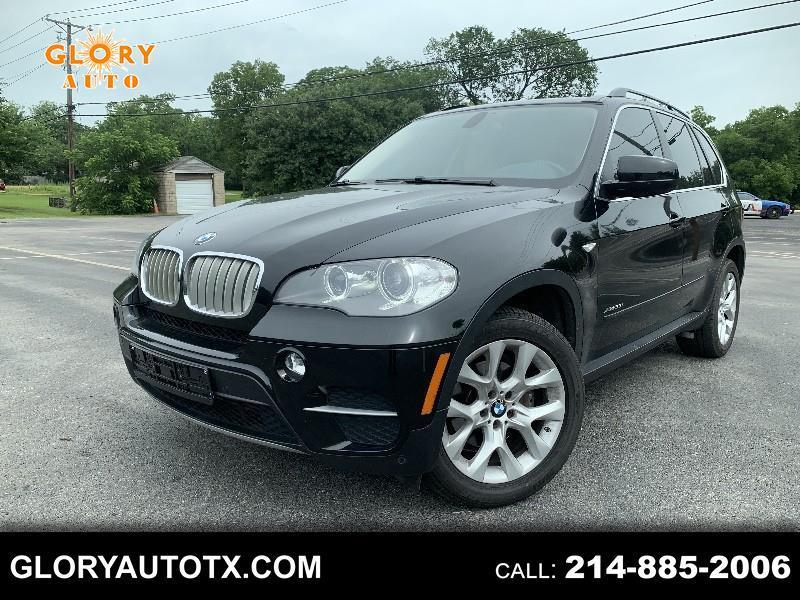
E70 generation (2007–2013)
- 2011–2013 X5 xDrive35i (LCI refresh): A sweet spot for value. Expect ~80k–130k miles near $15k–$20k depending on options and maintenance. These years bring the 8-speed automatic and the turbocharged N55 inline-6—strong, smooth, and reasonably efficient.
- 2009–2013 X5 xDrive35d (diesel): Tremendous torque and road-trip range. Often ~120k–180k miles for $12k–$19k. Great for high-mile commuters and towing; be sure emissions components (DEF/SCR, DPF) are healthy.
- 2007–2010 X5 3.0si/xDrive30i (N52 I6, non-turbo): Older but robust, typically ~100k–160k miles for $7k–$14k. Simpler engine, fewer turbo-related costs, but dated infotainment and features.
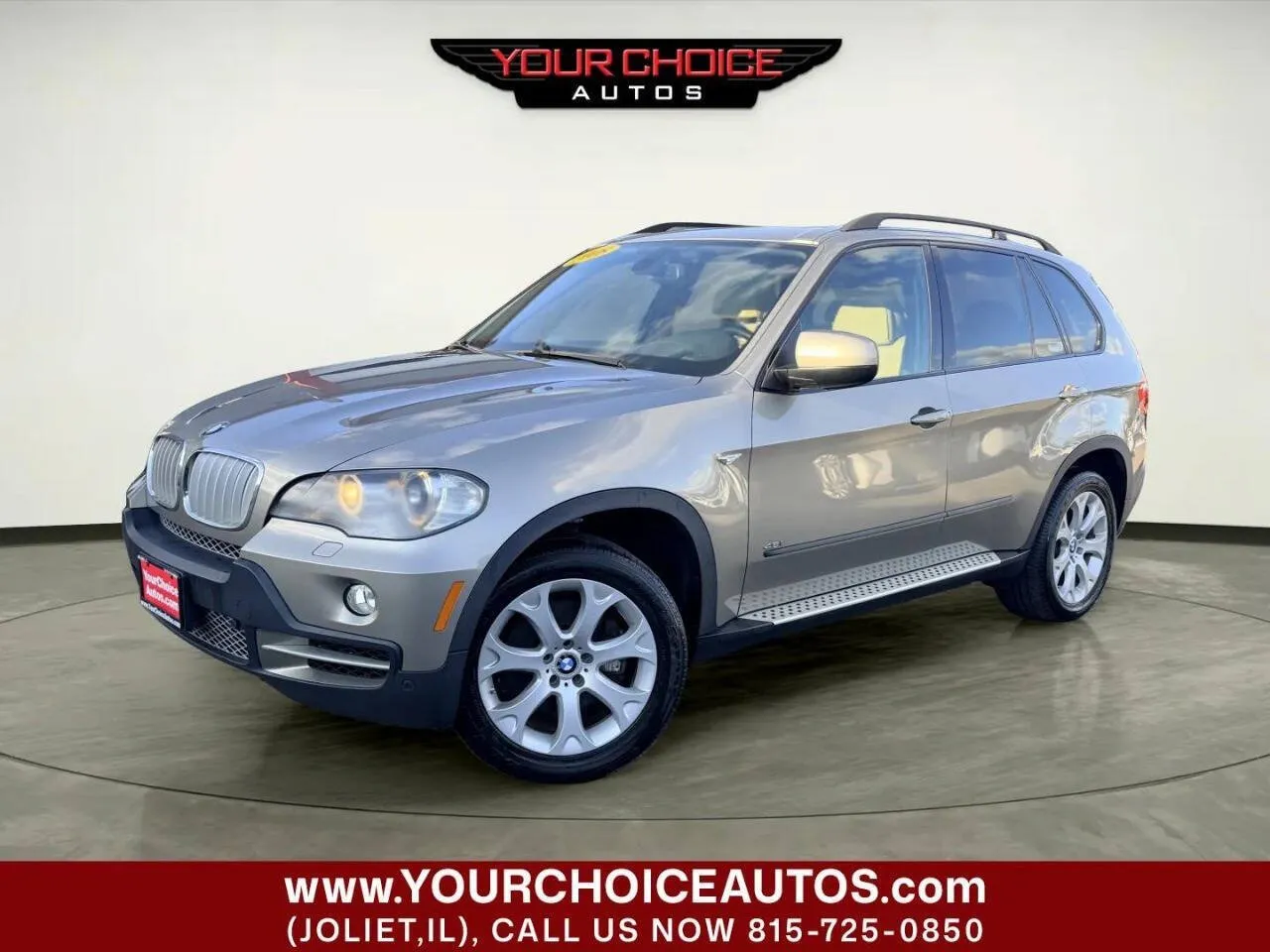
- V8 4.8i/50i: Thundering power, but higher running costs. Under $20k you’ll usually see ~100k–150k miles. Only consider with excellent service history and a thorough pre-purchase inspection (PPI).
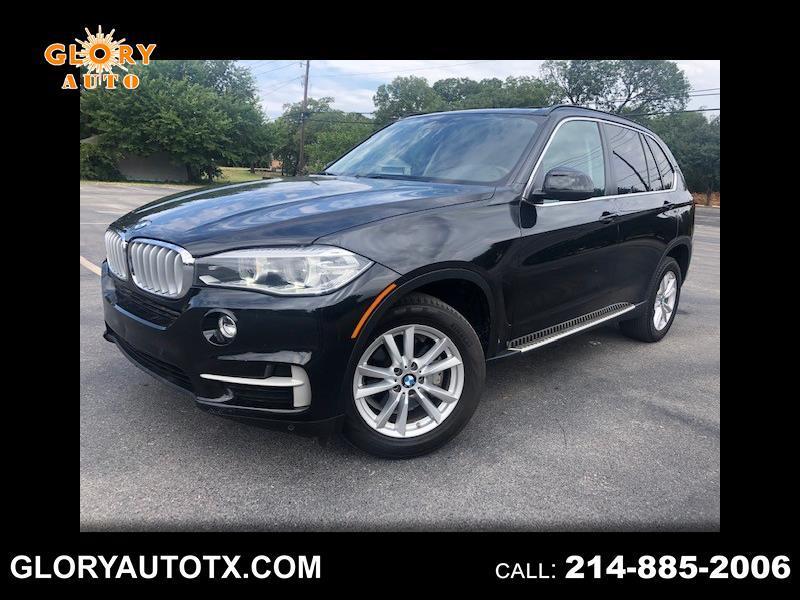
F15 generation (2014–2018)
- 2014–2016 X5 sDrive/xDrive35i: Modern interior and tech, improved efficiency, and strong N55 power. Under $20k you’ll commonly find ~95k–150k miles; clean, well-optioned examples tend to sit at the top of the range ($18k–$20k).
- 2014–2016 X5 xDrive35d (diesel): Excellent highway fuel economy and towing grunt. Sub-$20k examples often have ~120k–200k miles. Confirm maintenance on emissions systems and DEF components.
- 2016 X5 xDrive40e (plug-in hybrid): Rarely dips under $20k unless mileage is high (120k+ miles) or condition is below average. If you find one near budget, verify hybrid battery health and charger operation.
Tip: Most X5s are AWD (xDrive), but some F15 models are RWD (sDrive). Either can be great; AWD is best for winter climates, while RWD often costs less and can be more efficient.
Key features to look for
- Driver Assistance: Look for blind-spot monitoring, lane-departure warning, adaptive cruise, and surround-view cameras—especially on 2014–2016 models.
- Comfort & Convenience: Heated front/rear seats, heated steering wheel (Cold Weather Package), Comfort Access (keyless entry), soft-close doors, and power tailgate elevate daily usability.
- Luxury & Audio: Dakota leather, ventilated/multi-contour seats, and Harman Kardon or Bang & Olufsen audio for audiophiles.
- Chassis Upgrades: Adaptive dampers or Dynamic Handling Package improve ride/handling balance. If you tow, seek the factory hitch and trailer wiring.
- Infotainment: Later iDrive versions (2014–2016) are faster and more intuitive; many E70s have Bluetooth and navigation, though earlier systems feel dated.
- 3rd Row: Handy for kids or emergencies, but space is tight; don’t expect full-time adult seating.
Reliability: what shoppers should know
Engines:
- N52 (2007–2010 I6): Generally stout; watch for oil leaks (valve cover, oil filter housing), aging cooling components.
- N55 (2011–2016 I6): Good balance of power/reliability. Common wear items include electric water pump/thermostat, valve cover gasket, oil filter housing gasket, and occasional injector/coil issues.
- M57/N57 Diesels (2009–2016): Torque-rich and efficient. Ensure EGR/DEF/DPF systems are healthy; budget for carbon cleaning on higher miles.
- V8 (N62/N63): Big power, bigger upkeep. Timing chain, valve stem seals (older), oil consumption, and heat-related issues are known; only buy with impeccable history.
Driveline & chassis:
- xDrive transfer case and transmission benefit from regular fluid services.
- Air suspension (if equipped) can need air springs or compressor service with age.
- Steering/suspension bushings and control arms wear—test drive for clunks or looseness.
Electronics:
- Panoramic sunroof shades and mechanisms can fail; check operation.
- Battery registration matters after replacement; low voltage can trigger false errors.
- Confirm all cameras, sensors, and iDrive functions work as intended.
Do this before you buy: run a VIN history report (e.g., CARFAX), check for open recalls via NHTSA, decode options with a VIN tool like mDecoder, and schedule a PPI with a BMW-experienced shop (find ASE-certified pros here).
Where to find BMW X5s under $20,000
- Autotrader and Cars.com: Biggest national inventories; set alerts for new listings.
- CarGurus: Pricing insights and deal ratings help spot under-market cars.
- Facebook Marketplace and Craigslist: Great for local, private-party deals—vet sellers carefully.
- Well-documented examples sometimes pop up on enthusiast forums like Bimmerfest (E70) and Bimmerpost (F15).
To benchmark values and ownership costs, cross-check with Edmunds, Kelley Blue Book, and real-world repair data on RepairPal.
Who a used BMW X5 makes sense for
- Driving enthusiasts who want sedan-like handling without giving up SUV utility.
- Families needing two comfortable rows (with an occasional-use 3rd row).
- Commuters and road-trippers who value a quiet cabin and strong highway manners; diesel shoppers will love the range.
- Towers/adventurers needing ~6,000 lb towing with luxury comfort.
- Shoppers comfortable with premium-car maintenance: If you want rock-bottom ownership costs, consider a simpler SUV; if you value dynamics and refinement, the X5 is rewarding.
Smart shopping game plan
- Set a realistic budget: Leave 10–15% of the purchase price for immediate maintenance/tires/fluids.
- Target clean histories: Fewer owners, consistent service records, and no major accidents.
- Prioritize condition over options: A well-maintained base 35i often beats a neglected, loaded 50i.
- Inspect the big-ticket items: Cooling system, oil leaks, brakes/tires (staggered fitments cost more), suspension, and electronics.
- Get a PPI: A BMW-savvy inspection can save thousands—non-negotiable on higher-mile examples.
Quick targets under $20,000
- 2013 X5 xDrive35i (LCI): Sub-120k miles, Premium/Cold Weather, $15k–$19k.
- 2012–2013 X5 xDrive35d: 130k–170k miles, tow package ideal, $12k–$18k.
- 2014–2015 X5 sDrive/xDrive35i: 110k–150k miles, Driver Assistance desirable, $18k–$20k.
- Well-kept older value play: 2009–2010 3.0si/xDrive30i with strong records, 120k–160k miles, often $8k–$12k.
Bottom line
A used BMW X5 delivers a uniquely engaging drive, upscale comfort, and serious versatility—qualities that keep owners loyal and shoppers interested. Focus on the right years (2011–2013 LCI 35i, 2009–2013 35d, and 2014–2016 35i/35d at higher miles), verify maintenance, and get a proper PPI. Do that, and you can land one of the best luxury-SUV values under $20,000.
 Used
Used
 Used
Used
 Used
Used
 Used
Used
 Used
Used
 Used
Used