Small Campers for Two - Smart Buying Guide and Tips
Downsized travel is surging, and couples want cozy rigs they can tow with everyday vehicles.
This guide breaks down what counts as a small camper for two, why they’re so popular now, the comfort features that matter, how to choose and outfit one, the realistic tradeoffs, and the smartest next steps—so you can shop with confidence, not compromises.What Small Campers Are
Small campers for two typically include teardrops and compact travel trailers in the roughly 12–20 foot range. Teardrops are ultra-simple—usually a sleeping space inside with an exterior galley and minimal systems—which makes them fantastic for road trips and quick weekenders. To get a feel for this style, browse a modern teardrop like the nuCamp TAG or read the overview on teardrop trailers.
Compact travel trailers add standing headroom, an indoor kitchen, and often a bathroom—ideal for couples deciding between a teardrop and a small trailer. Many favorites stay under a 3,500‑pound tow ceiling, broadening vehicle options. For example, the Airstream Basecamp 16 lists a UVW around 2,650 lb and a 3,500 lb GVWR. Molded‑fiberglass icons are similarly light: Casita 17-foot models commonly weigh about 2,500–3,000 lb dry, while Scamp’s 13- and 16-foot trailers start as low as roughly 1,200–2,600 lb depending on layout.
Despite their small footprints, these campers deliver impressive usability, easy maneuvering, and the ability to fit campsites and driveways that longer rigs can’t touch.
Why They Matter Now
Small rigs make spontaneous weekends, simpler storage, and better fuel economy more attainable—especially when gas prices swing. Keep tabs on national averages via the U.S. EIA fuel price dashboard. Because they’re lightweight, small campers can cut overall ownership costs by expanding your tow-vehicle options and trimming fuel and maintenance expenses.
Insurance is typically modest compared with motorized RVs; many travel trailer policies land in the few-hundred-dollars-per-year range depending on state, rig, and coverage. For examples and quote tools, see Progressive or State Farm.
Ownership keeps growing too. Industry reports show millions of U.S. households camp in RVs each year; dive into the latest data from RVIA and the annual KOA North American Camping Report. For urban dwellers, shorter lengths fit more campsites and street parking, and simpler systems feel less intimidating for first-time owners—unlocking easier national park loops, music festivals, and long-weekend escapes without sacrificing comfort.
Key Comfort Benefits
Today’s small campers for two punch above their size with convertible dinettes or fixed queen beds, efficient heat and AC, solar prewire, and smart storage. Many offer upgrades like lithium-ready converters, USB/USB-C ports by the bed, and insulated shells for shoulder-season travel.
Bathroom choices matter. A dry bath gives you a separate toilet and shower for more privacy but adds length and weight. A wet bath combines both to save space and pounds, though it can feel tight and needs diligent ventilation. If you’re targeting under 3,500 lb, start your shortlist with the Scamp 16, lighter-trim Casita 17 layouts, and the Airstream Basecamp 16.
Thinking long-term value? Aluminum Airstreams and molded‑fiberglass brands like Casita and Scamp are known for strong resale thanks to durable construction and timeless design. Learn more about value retention and service support on Airstream’s owner resources and the brand pages for Casita and Scamp.
Choosing and Outfitting One
1) Verify tow ratings and safety basics
Start with your tow vehicle’s owner’s manual to confirm towing capacity and payload. Match the camper’s UVW, GVWR, and especially tongue weight (often 10–15% of trailer weight) to your limits. For fundamentals, see NHTSA’s towing safety guidance and your vehicle maker’s Towing Guide (many OEMs publish PDFs online). Pair the right hitch and trailer brake controller to improve stability and stopping; explore options from weight distribution hitches to brake controllers.
2) Map your must-have layout
Decide on a fixed bed versus a convertible dinette, preferred galley size, and your “bath math” (wet vs. dry). If you’re comparing molded‑fiberglass brands, Scamp offers ultra‑light 13-foot options and simple, affordable layouts, while Casita’s 17-foot models often bundle larger tanks and more amenities.
3) Inspect before you buy (especially used)
Look for soft spots, stains indicating leaks, sealant condition, axle and tire age (check the DOT date code), brake function, appliances, and a clean title. Consider an independent inspection via an NRVIA-certified inspector. Cross-check pricing with J.D. Power/NADA RV values and ask sellers for maintenance records. If possible, request a pressure or leak test and verify all roof penetrations and seams are sound.
4) Outfit for comfort without excess weight
- Upgrade to a quality lithium battery and DC-DC charging if your tow vehicle supports it (e.g., Battle Born Batteries).
- Add portable solar for boondocking—briefcase panels from brands like Renogy keep things simple.
- Install an AC soft‑start (e.g., Micro‑Air EasyStart) to run your air conditioner on smaller generators.
- Choose a compact awning or shade system to expand living space without adding much weight.
Challenges to Consider
Small campers involve tradeoffs. Teardrops limit headroom, rely on outdoor cooking, and expose you to weather at the rear galley—excellent for fair‑weather road trips, less ideal during prolonged storms. Ventilation and condensation need attention; see practical moisture tips from Escape Trailer or The Dyrt.
Wet baths require squeegeeing and steady airflow; dry baths add weight and take precious floor space. Payload and storage are finite, so pack lighter, distribute weight carefully, and monitor tongue weight to reduce sway risk—review NHTSA’s trailer sway guidance. Maintenance still matters: plan for tire replacement roughly every 5–7 years (verify condition annually), wheel bearing service, sealant upkeep, and seasonal winterization. Even rugged models like the Basecamp benefit from regular checks after washboard roads and backcountry tracks.
If resale is important, keep modifications tasteful and reversible. Original‑condition fiberglass and aluminum trailers generally attract broader buyer interest, which can support strong resale when it’s time to move up or switch floorplans.
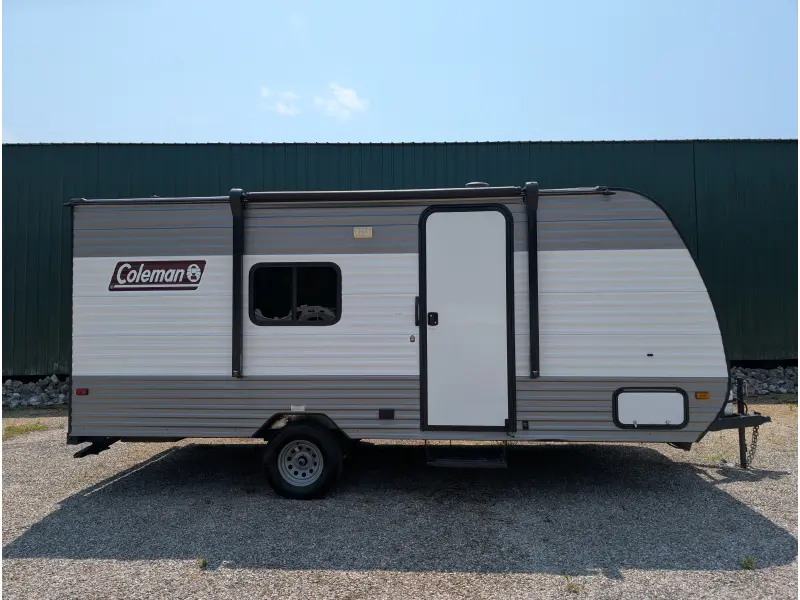 Used
Used
 Used
Used
 Used
Used
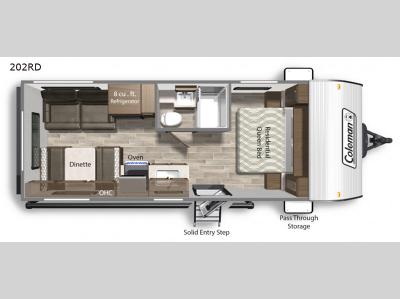 Used
Used
 Used
Used
 New
New
Smart Next Steps
Before buying, rent a few floorplans to clarify must‑haves like bed size, bath type, and galley workflow—platforms such as Outdoorsy and RVshare make it easy. Test‑tow to gauge braking feel, mirror coverage, wind stability, and hill performance.
Build a shortlist of lightweight models under 3,500 lb with space‑efficient layouts and aerodynamic profiles. Schedule thorough inspections—especially roof seals, window frames, and fiberglass seams on older units. Preserve value by keeping service records, storing under cover, and avoiding permanent alterations that future buyers might not want.
Still torn on bathrooms? Match the choice to your camping style: serviced campgrounds favor a compact wet bath; longer off‑grid stays may justify a dry bath’s space and privacy. With a clear plan and realistic expectations, you’ll land a small camper that fits your tow vehicle—and your travel style.