A Guide To Finding Senior-Friendly Travel Trailers
Dreaming of road trips without overspending on an RV?
This guide helps seniors find travel trailer options for less—what to look for, proven senior-friendly models, where to spot choices under $13,000, and safe ways to finance without straining your retirement income.What makes a travel trailer senior-friendly?
Weight and size match your tow vehicle. Keep the trailer’s loaded weight well below your vehicle’s tow rating for easy, low-stress driving. Single-axle trailers under ~3,500 lbs (dry) are popular because they’re simpler to maneuver and require smaller SUVs or crossovers. A compact footprint also means less climbing, fewer steps, and easier campsite setup.
Comfortable floor plan and safe entry. Look for a walk-around bed (no crawling over a partner), solid flip-down steps with a grab handle, and a wide entry door. A no-slide or single-slide plan keeps setup simple while still giving you room to move. Bathrooms with a seated shower or dry bath layout can be easier on joints than tight wet baths, and a mid-ship bath avoids climbing over corners at night.
Accessibility extras—like a power tongue jack, electric stabilizers, backup camera prep, and a tire-pressure monitoring system—help reduce physical strain and improve safety. Inside, prioritize supportive seating at the right height, bright LED lighting, easy-reach storage, large windows for visibility, and straightforward climate controls. A 12V refrigerator and quiet A/C can make boondocking and hot nights more comfortable.Senior-friendly options you can find for less
Prices vary by year, condition, and location, but many of the following models routinely appear used under $13,000, and a few teardrops may be found new near that mark during sales. Always verify weights and features for the exact floor plan and model year you’re considering.
Braxton Creek Bushwhacker (10HD/12SK)
Lightweight teardrop with rugged tires and simple kitchens. Great for short trips and easy towing. See specs at Braxton Creek.
Sunset Park RV Sunray (109/129)
Compact, garageable teardrops with outdoor kitchens; basic new units sometimes list near the low teens and used often drop below. Details at Sunset Park RV.
Coachmen Clipper Cadet (select 16–17 ft)
Simple stick-and-tin builds keep weight and price down; look for rear-bath or front-bed layouts. Explore the line at Coachmen.
Jayco Jay Flight SLX 7 (older 154BH/174BH)
Popular small bunk and couple’s models; older units show up well under $13k and parts support is strong. Model info at Jayco.
Keystone Springdale Mini (older models)
Entry-level, lightweight floor plans with functional kitchens and mid-baths. Specs at Keystone.
Forest River R-Pod (earlier years)
Aerodynamic fiberglass walls and efficient layouts; many 2009–2015 units list below $13k used. Learn more at Forest River.
Casita 17' (older fiberglass eggs)
Durable, lightweight shells that hold value; late-’90s to early-2000s units can sometimes be found under $13k. Company site: Casita.
Scamp 13' (older fiberglass eggs)
Minimalist, long-lasting classics ideal for short trips and easy towing; basic older models often fit the budget. See Scamp.
Where to find travel trailers under $13,000
Cast a wide net and set alerts. The best deals go fast, so save searches and enable notifications. Compare prices across multiple sources and have your financing pre-approval ready.
- RV Trader and RVT: Huge national marketplaces; filter by price, weight, and used vs. new.
- Craigslist and Facebook Marketplace: Great for local finds; meet in safe public places and bring a friend.
- Local RV dealers’ used lots: Ask about trade-ins awaiting inspection—you may get early access before listings go live.
- Price research: Use J.D. Power RV Values to sanity-check asking prices vs. typical retail.
- Rent before you buy: Try floor plans on Outdoorsy or RVezy to confirm bed height, bathroom layout, and towing feel.
Financing options that favor retirees
Start with a credit union. Credit unions often offer competitive RV loan rates and are friendlier to fixed-income borrowers. Get pre-approved so you can negotiate as a cash buyer; this also protects you from high-pressure dealership financing add-ons.
Consider short terms and bigger down payments. A 24–60 month term with 15–30% down keeps interest costs low and avoids being upside down on a depreciating asset. If you can pay cash for a sub-$13k trailer, you’ll save on origination and interest entirely.
Compare loan types carefully. Traditional RV loans use the trailer as collateral and tend to carry lower rates than unsecured personal loans. If a lender suggests a personal loan, compare the APR to RV loan offers and factor any prepayment penalties. For unbiased guidance on evaluating offers and add-ons, see the Consumer Financial Protection Bureau.
Avoid risky strategies. Be cautious with HELOCs or tapping retirement accounts; interest rate resets and tax implications can outweigh a bargain purchase. Skip overpriced extras (VIN etching, paint sealants) and only consider a service plan if it’s fairly priced and cancellable for a prorated refund.
True cost of ownership: budget and save
Insurance: Basic liability may be required; many owners add comprehensive coverage for theft and storm damage. Learn the basics from the Insurance Information Institute and get quotes from at least three carriers.
Maintenance: Budget for tires every 4–6 years, annual roof resealing, bearing repacks, and battery replacement. If you’re not DIY-inclined, find a reputable mobile tech or shop.
Storage: Off-season storage can be $50–$200/month; look for senior or multi-month discounts. Cover the trailer and remove perishables to prevent pests.
Camping discounts: Many campgrounds offer senior rates, and the National Park Service’s Senior Pass can cut entry and some camping costs dramatically.
Pre-purchase checklist (quick and practical)
- Match the tow: Confirm payload, tongue weight limits, and hitch rating in your vehicle’s manual; target 10–12% tongue weight and stay well under max capacities.
- Do a daylight inspection: Look for soft spots on floors/walls, roof sealant cracks, tire age (DOT code), even wear, and corrosion on the frame.
- Test systems: Run the fridge on shore power and 12V, fire the furnace and A/C, fill the fresh tank and check for leaks at the pump, faucets, and under the shower.
- Road test: Tow at highway speed and on side streets, check brake controller settings, and verify the trailer tracks straight with no sway.
- Get a pro when in doubt: Hire a certified inspector from NRVIA for peace of mind before you hand over funds.
Putting it all together
For seniors, the best “cheap” travel trailer isn’t the absolute lowest price—it’s the one that tows easily, minimizes climbing and bending, and keeps you comfortable for longer trips. With the models above as a starting shortlist, broad shopping on national and local marketplaces, and a conservative financing plan, you can find a reliable, senior-friendly travel trailer under $13,000 and hit the road with confidence.
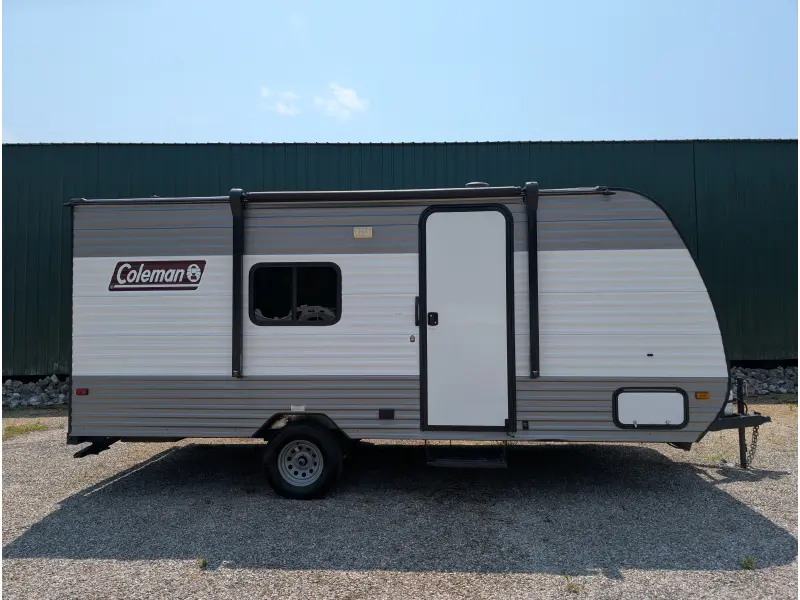 Used
Used
 Used
Used
 Used
Used
 Used
Used