Why the Toyota Tundra Is a Smart Pick for Seniors in 2026
If you’re a senior shopping for a pickup that’s easy to live with, the Toyota Tundra deserves a close look.
It blends comfortable seating, big-truck visibility, straightforward controls, and Toyota’s long-standing reliability with strong resale value—plus there are plenty of used options under $20,000 if you know where to look.In this guide, you’ll learn the most senior-friendly Tundra features, which model years to target for value and comfort, and exactly where to shop for sub-$20k listings. We’ll also share a practical test-drive checklist and ownership tips so you can buy with confidence.
Why the Toyota Tundra Works Well for Seniors
Easy access and commanding view: The Tundra’s higher seating position makes getting in and out easier for many older drivers compared with low-slung sedans. Wide-opening doors, sturdy grab handles, and the option to add running boards help with a stable step-in. CrewMax and Double Cab models offer generous rear door openings and plenty of room for passengers or grandkids.
Simple, durable controls: Many Tundras—especially 2009–2015 models—use large knobs and clear gauges that are easy to read and operate with limited hand strength. The cabins are tough and comfortable, with supportive seats for longer drives. Toyota’s reputation for durable powertrains adds peace of mind, and the Tundra has a strong track record in owner satisfaction and dependability research from sources like J.D. Power and Consumer Reports.
Safety and visibility: Big mirrors and glass area provide excellent sightlines. Starting in 2014, a backup camera became standard across all trims—hugely helpful for parking. Later models (2018+) added Toyota Safety Sense P (pre-collision system with pedestrian detection, lane departure alert, and more), though those years often list above $20k. You can review crash-test information on the IIHS site and run a VIN recall check on the NHTSA portal.
Senior-friendly features to look for
Comfortable entry and seating
- Running boards/side steps: Lower the step-in height and add stability.
- Power driver’s seat with lumbar: Helps dial in hip-to-knee angle and back support.
- Heated seats: Ease stiffness on chilly mornings.
- CrewMax or Double Cab: Wider rear doors for easier grandkid or pet loading.
Visibility and parking aids
- Backup camera: Standard from 2014; a must-have for parking confidence.
- Front/rear parking sensors: Often found on Limited/Platinum trims or as add-ons.
- Large mirrors: Consider tow mirrors if you want even bigger fields of view.
Active and passive safety
- Stability control and curtain airbags: Common on 2007+ Tundras, contributing to safer emergency handling.
- Toyota Safety Sense P (2018+): If you find a high-mile 2018 near budget, you’ll get modern driver aids. Learn more about these features at Toyota Safety Sense.
- Crash tests and recalls: Check the IIHS ratings and run the VIN on NHTSA before you buy.
Ride quality and ease of driving
- Wheel/tire choice: 18-inch wheels with highway tires usually ride smoother than off-road packages with stiffer shocks and aggressive tread.
- Simpler trims (SR5/Limited): Often more comfortable day-to-day than hardcore off-road versions.
- Powertrain: The V8’s smoothness reduces shifting and effort, making relaxed cruising easy.
A capable helper, not just a truck
- Home and hobby: Haul gardening supplies, mobility equipment, or small furniture with ease.
- Confidence in bad weather: 4WD adds traction for snow and steep driveways; 2WD is usually cheaper and enough for mild climates.
Best used Tundra years under $20,000
Market prices vary by region and mileage, but these model years tend to offer the best senior-friendly value under $20k:
- 2009–2013 (2nd generation sweet spot): Strong reliability, comfortable cabins, and modern enough features. Look for 2010–2013 models with the 4.6L V8 for a small MPG bump over the 5.7L, while the 5.7L is best if you need towing. Typical highway economy ranges from about 17–20 mpg depending on engine/drivetrain—confirm for your exact year at fueleconomy.gov.
- 2014–2015 (refresh with standard backup camera): The 2014 refresh improved interior materials and made the camera standard on all trims—great for parking. High-mile examples sometimes dip under $20k; focus on SR5 Double Cab or CrewMax for value.
- 2007–2008 (older but budget-friendly): Can be the cheapest path into a Tundra. Prioritize rust-free frames and thorough service records. Inspect carefully if you live in or shop from salt-belt states.
Tip: Avoid heavy off-road packages if ride comfort is your top priority. Seek trucks with service documentation and a clean history report from a source like Carfax. You can also cross-check ownership costs and fair pricing on Kelley Blue Book and Edmunds.
Where to find Tundras under $20,000
- Autotrader: Wide nationwide listings; use price, trim, and mileage filters.
- CarGurus: Deal ratings help spot fair- and great-priced trucks.
- Cars.com: Good photo sets and dealer contact options.
- TrueCar: Transparent pricing and historical trends.
- Facebook Marketplace: Local private-party deals; meet in public places and bring a friend.
- Craigslist: Cast a wide net across nearby cities; watch for scams and always see the truck in person.
Also check local Toyota dealers for trade-ins and older inventory. While certified pre-owned Tundras may exceed $20k, dealers sometimes have well-serviced high-mileage trucks priced to move. Start with Toyota’s overview page for model details and specs: Toyota Tundra.
What to inspect on a test drive
- Ease of entry/exit: Try stepping in and out several times. If needed, budget for running boards.
- Seat comfort and visibility: Adjust the seat height and lumbar. Make sure you can clearly see the hood edges and mirrors.
- Parking practice: Test the backup camera and sensors in a real parking lot. If missing on a pre-2014 truck, ask about adding an aftermarket camera.
- Ride and noise: Note bumps, rattles, and tire drone. A smoother-riding set of highway tires can make a big difference.
- Mechanical checks: Verify 4WD engagement (if equipped), straight tracking, firm braking, and smooth shifts.
- Rust and underbody: Inspect frame rails, bed supports, and brake lines—especially on trucks from snowy or coastal regions.
- Records and recalls: Ask for maintenance history and run the VIN on NHTSA. Consider a pre-purchase inspection from a trusted shop—an AAA Approved Repair facility is a good starting point.
Cost of ownership: what to expect
Fuel economy: V8 Tundras aren’t economy champs, but they’re consistent and reliable. Expect roughly 13–15 mpg city and 17–20 mpg highway depending on engine, drivetrain, and tires. Verify your target year and engine at fueleconomy.gov.
Maintenance: Routine oil changes, brake service, and transmission fluid intervals are straightforward and parts are widely available. Many owners report long lifespans with basic maintenance.
Insurance and resale: Insurance is typically reasonable for full-size pickups, and Toyota’s strong resale helps protect your investment if you later downsize or switch vehicles.
Quick buying plan
- Target 2009–2013 for best under-$20k comfort and value; consider 2014–2015 if you want a standard backup camera and find a high-mile deal.
- Prefer SR5 or Limited trims with 18-inch wheels and highway tires for a smoother ride.
- Search on Autotrader, CarGurus, Cars.com, and TrueCar; expand your radius to find better prices.
- Confirm service records, run a VIN recall check at NHTSA, and review values on KBB and Edmunds.
- On the test drive, focus on entry/exit ease, seat comfort, backup camera performance, and a smooth, quiet ride.
The Toyota Tundra’s blend of comfort, visibility, and bulletproof reputation make it a strong choice for seniors who want capability without complexity. With smart shopping and a careful inspection, you can find a well-kept Tundra under $20,000 that feels easy to drive today and dependable for years to come.
 Used
Used
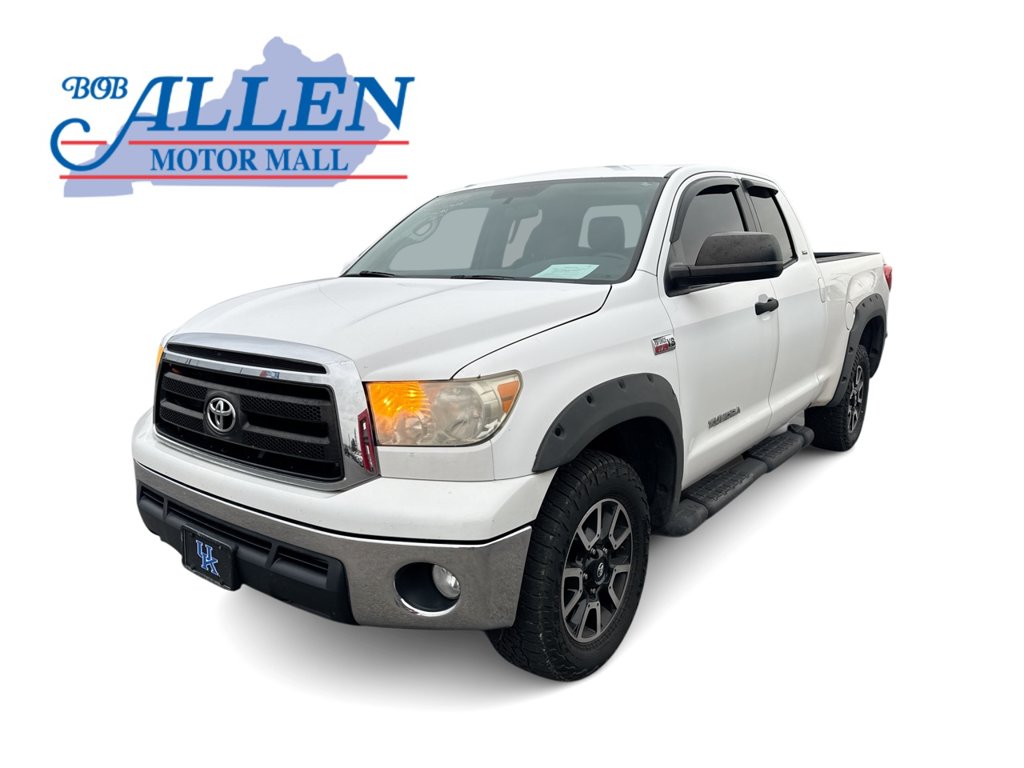
2011 Toyota Tundra Grade 5.7L V8 w/FFV Truck Double Cab
Danville, KY
 Used
Used
 Used
Used
 Used
Used
 Used
Used
 Used
Used