A Guide To Finding Senior-Friendly BMW SUVs For Less
Yes, you can find senior-friendly BMW SUVs under $20,000 on the used market.
With the right model years and trims, you can get easy step-in height, supportive seats, helpful safety tech, and that smooth BMW drive—without paying new-luxury prices.What makes a BMW SUV senior-friendly?
Comfortable access and seating: Look for a natural, upright seating position (not too low, not too tall), wide door openings, and power-adjustable seats with lumbar support and memory. Heated seats and steering wheel add joint-friendly comfort in colder climates. Visibility and parking ease: Large windows, a standard or added rearview camera, front/rear parking sensors, and an around-view monitor (if available) reduce stress in tight lots.
Calm ride and simple controls: Softer suspension tuning, smaller wheels with taller tire sidewalls, and quiet cabins make longer drives gentler. Straightforward climate knobs, clear gauges, and an easy-to-navigate iDrive screen keep distractions low. Safety assists: Blind-spot monitoring, lane-departure warning, forward-collision warning/mitigation, and adaptive cruise control can provide extra confidence—verify features by VIN and confirm no open recalls via the NHTSA recall lookup.
Best senior-friendly BMW SUVs under $20,000 (used)
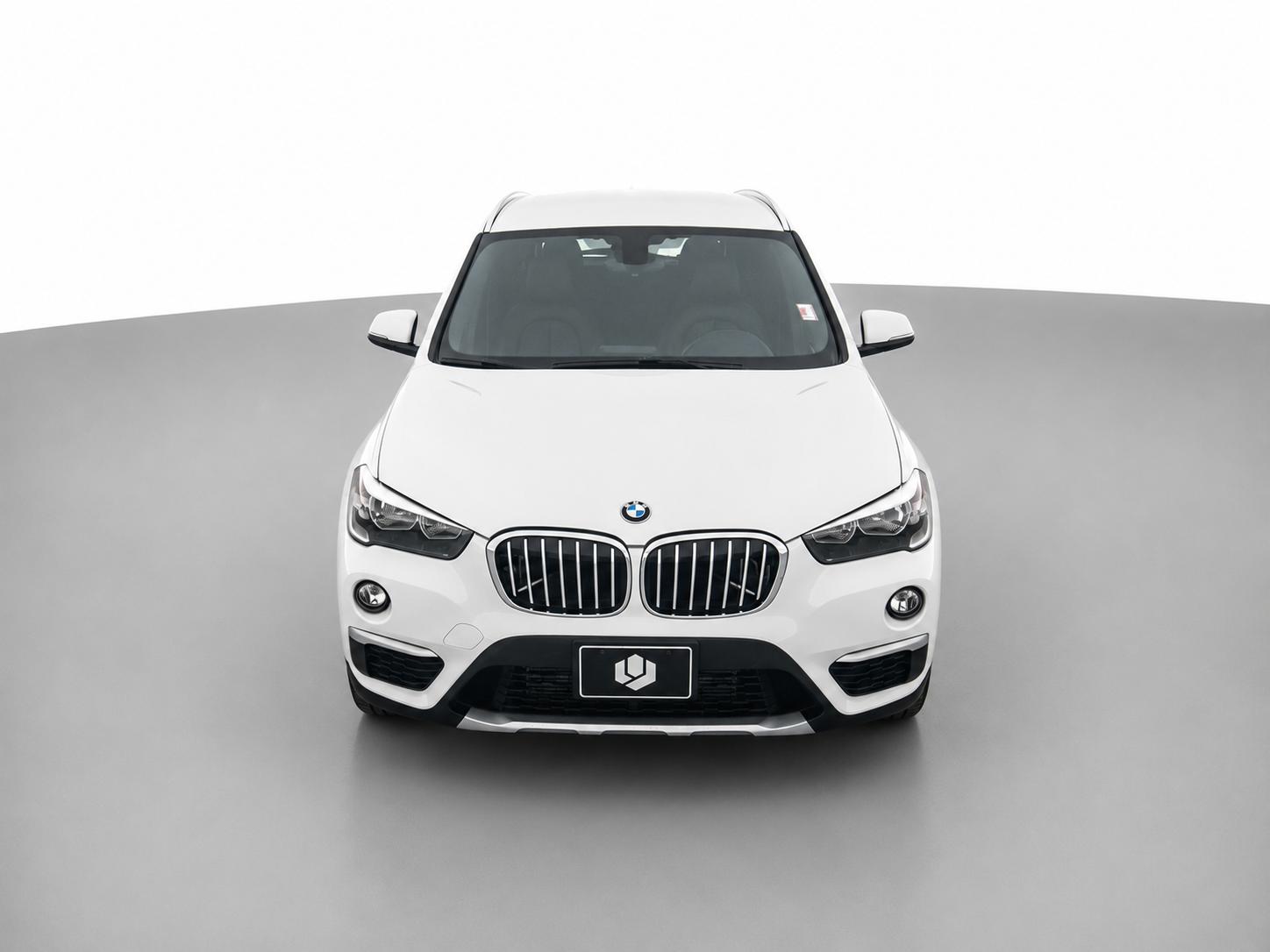
BMW X1 (2016–2018 sDrive/xDrive28i)
The second-generation X1 (F48) is a small SUV with an upright seating position, great headroom, and generous cargo space for its size—an easy daily driver that still feels premium.
- Why seniors like it: Easy step-in height; wide-opening rear doors; supportive power seats with memory on many trims; available heated seats and steering wheel; standard 8-speed automatic for smooth shifts.
- Key specs and features: 2.0L turbo four-cylinder (strong low-speed torque), FWD (sDrive) or AWD (xDrive), available driver aids (parking sensors, backup camera, lane-departure warning on optioned models), Apple CarPlay available on later years when optioned.
- Shop smart: 2016–2018 examples are commonly found under $20k depending on mileage and condition. Prefer models with 17–18 inch wheels for a softer ride; review service records and have a pre-purchase inspection (PPI).
BMW X3 (2014–2017 xDrive28i/35i)
The refreshed first-gen X3 (F25 LCI in 2015) blends a higher seating position with a calm, composed ride—roomier than the X1, but still easy to park and see out of.
- Why seniors like it: Taller seat height and commanding view; smooth-shifting 8-speed automatic; optional tech like blind-spot monitoring, lane-departure warning, and active cruise on properly equipped models.
- Key specs and features: 2.0L turbo four (xDrive28i) or silky 3.0L turbo six (xDrive35i) for effortless passing; AWD common; power liftgate available; split-fold rear seats for walkers, golf bags, or luggage.
- Shop smart: 2014–2017 models are frequently in-budget. Seek out vehicles with complete maintenance histories; avoid oversized wheels if ride comfort matters; confirm any driver-assist packages are actually installed.
BMW X5 (2013–2015 xDrive35i/35d)
Need maximum space and a larger, plush cabin? An older X5 can still land under $20k, especially higher-mileage 2013–2015 examples. It’s heavier and costlier to maintain than X1/X3, but delivers a relaxed, solid ride and big-vehicle confidence.
- Why seniors like it: Wide, supportive front seats; cushioned ride on non-sport suspensions; easy highway stability; available power tailgate and comfort access for hands-free entry.
- Key specs and features: 3.0L turbo six (35i) is common; diesel 35d offers strong torque and efficiency (verify emissions system history). Available driver aids and surround-view on optioned trims.
- Shop smart: Focus on maintenance records, especially suspension, cooling, and brakes. Test parking cameras/sensors; ensure tires match and have even wear; budget extra for big-SUV upkeep.
Smart ways to save without sacrificing comfort or safety
- Choose the right trim and wheels: Non–M Sport models with 17–18 inch wheels ride softer and tires cost less. You can compare tire sizes and ride impacts on Tire Rack.
- Pick sDrive (FWD) where weather allows: In milder climates, sDrive models often cost less to buy and maintain than AWD.
- Target the mileage sweet spot: A one- or two-owner vehicle around average mileage with documented service often beats a cheaper, neglected high-miler.
- Mind the options: Pay for what helps daily life—heated seats, parking sensors, camera—skip pricey performance packages that add cost and stiffness.
- Run a total-cost view: Estimate fuel, insurance, maintenance, and registration using tools from Edmunds TCO or values from Kelley Blue Book.
- Consider near-CPO quality: Even if BMW Certified Pre‑Owned vehicles above $20k are out of reach, a dealer trade-in with clean history plus an independent warranty can deliver similar peace of mind.
- Always get a PPI: Have a trusted BMW-experienced shop or an ASE-certified technician inspect before you buy.
Where to shop (and how to compare deals)
- Autotrader, Cars.com, and CarGurus for nationwide searches, price histories, and alerts.
- CarMax and Carvana for no-haggle pricing and return policies that simplify decisions.
- TrueCar for market pricing context; local BMW dealers for well-kept trade-ins; and AAA Auto Buying programs for members.
- Run a VIN history through Carfax or AutoCheck, and check recalls at the NHTSA site before you test drive.
Test-drive checklist for seniors
- Ease of entry/exit: Sit down and stand up multiple times; adjust seat height and tilt. Confirm memory settings for two drivers.
- Controls you can reach: Try climate knobs, radio volume, and the iDrive controller. Pull into a tight parking space to judge visibility.
- Ride comfort: Drive over patched pavement at neighborhood speeds and on the highway. Listen for suspension clunks and wind noise.
- Driver aids: Verify the backup camera, parking sensors, and any listed safety options really work. If equipped, test adaptive cruise in light traffic.
- Tech fit: Pair a phone via Bluetooth; on later models, check Apple CarPlay (if optioned). Review features in BMW’s owner’s manuals.
Ownership costs and reliability tips
- Independent specialists: A good BMW-focused shop can save 20–40% versus dealership rates—ask for a maintenance plan and find a shop via local reviews.
- Stay ahead on maintenance: Timely oil services, brake fluid changes, and fresh tires preserve ride comfort and safety. Consider replacing worn run-flat tires with comfort-oriented equivalents (ask your shop for pros/cons and roadside options).
- Battery and electronics: BMWs are sensitive to battery health; budget for a quality battery and proper programming when replacement is due.
- Research reliability: Cross-check owner feedback and ratings on Consumer Reports and scan IIHS safety ratings for the exact year you’re considering.
- Confirm recalls and campaigns: Use the NHTSA lookup with the VIN to ensure all safety work is completed.
Quick picks by priority
- Best all-around value: BMW X1 (2016–2018) for easy access, modern features, and city-friendly size.
- Most comfortable seating position: BMW X3 (2014–2017) with comfort or standard suspension and smaller wheels.
- Roomiest cabin and cargo: BMW X5 (2013–2015) if you want a larger, more substantial feel and don’t mind slightly higher upkeep.
Final thoughts
With clear priorities—comfort, visibility, and a gentle ride—you’ll find several senior-friendly BMW SUVs under $20,000 that still feel premium. Start with a well-kept X1 or X3, verify the exact comfort and safety features you need, confirm history and recalls, and invest in a professional inspection. The right used BMW can make every errand, appointment, and weekend trip easier and more enjoyable.
 Used
Used
 Used
Used
 Used
Used
 Used
Used
 Used
Used
 Used
Used