Used SUVs for Seniors: What to Compare Before You Choose
The right used SUV can make daily driving easier, but the wrong one may bring avoidable repair costs, hard-to-use controls, or an entry height that does not feel comfortable.
For many older drivers, the goal is to find a vehicle that feels easy to get in and out of, offers clear visibility, and still keeps long-term costs manageable.
This guide explains how to compare reliable used SUVs, what price ranges to expect, and when a certified pre-owned SUV may be worth the extra cost.
What matters most before you compare models
Many shoppers start with brand names, but daily comfort and ownership costs usually matter more than the badge on the hood.
If you narrow the list with the factors below first, local used SUV listings may be easier to sort through.
| What to review | Why it matters |
|---|---|
| Seat height and door opening | A higher seating position can help with entry and exit, but some SUVs still sit too high or have narrow door openings. |
| Visibility and driver aids | Backup cameras, blind-spot monitoring, and automatic emergency braking may make parking and traffic driving less stressful. |
| Controls and ride comfort | Simple buttons, supportive seats, and a smooth suspension often matter more than extra tech features. |
| Maintenance history and condition | A well-kept SUV with records may be a safer choice than a newer-looking one with an unclear history. |
| Total ownership cost | The purchase price is only one part of the decision. Insurance, fuel economy, maintenance, and warranty options can change long-term value. |
These points often help seniors rule out poor fits before spending time on test drives.
Why many seniors choose a used SUV
A used SUV can offer a practical middle ground between a small sedan and a larger truck-based vehicle.
For some shoppers, the appeal is not just lower cost than a new vehicle. It is also the mix of comfort, visibility, and flexibility.
- Higher seating position for easier entry and exit
- Improved road visibility compared with many sedans
- Extra cargo room for errands, medical equipment, or travel bags
- Safety features that may be available on newer used models
- Lower purchase prices than buying new
When a used SUV has been maintained well, it can still deliver solid day-to-day reliability.
Features many older drivers prioritize
Safety and driver assistance
Backup cameras are common on many newer used SUVs and can be especially helpful in parking lots and driveways.
Blind-spot monitoring, lane-keeping assistance, and automatic emergency braking may also be worth seeking out, depending on model year and trim.
Comfort and accessibility
Wide door openings, supportive front seats, and a smooth ride often matter more than sport styling or large wheels.
Simple infotainment controls can also make a difference, especially if touchscreens feel distracting or hard to learn.
Reliability and ongoing costs
Reliable used SUVs usually stand out because they balance repair history, parts costs, and fuel economy reasonably well.
For many buyers, a slightly older SUV with a good service record may be a better fit than a newer one with higher miles and unclear upkeep.
Reliable used SUVs seniors often consider
No used SUV is the right fit for everyone, and condition matters as much as the model itself.
Still, the vehicles below often appear on shortlists because they are commonly associated with comfort, availability, and solid long-term ownership value.
Toyota RAV4
The Toyota RAV4 is often considered for its long-term reliability and relatively manageable maintenance costs.
Typical used price: $18,000 to $30,000.
Honda CR-V
The Honda CR-V is commonly reviewed for smooth driving, good outward visibility, and strong safety ratings on many model years.
Typical used price: $17,000 to $28,000.
Subaru Forester
The Subaru Forester may appeal to drivers who want a stable feel and available all-wheel drive, especially in areas with winter weather.
Typical used price: $16,000 to $27,000.
Mazda CX-5
The Mazda CX-5 is often praised for ride comfort and responsive handling, with modern safety features on many versions.
Typical used price: $16,000 to $26,000.
Hyundai Tucson
The Hyundai Tucson can be a value-focused option with user-friendly technology and competitive pricing for a newer-feeling cabin.
Typical used price: $15,000 to $25,000.
Kia Sportage
The Kia Sportage is another compact SUV many shoppers compare because of its accessible size and broad range of used prices.
Typical used price: $14,000 to $24,000.
Lexus RX
The Lexus RX may suit buyers who want a smoother ride and a more upscale interior, though purchase costs are often higher.
Typical used price: $22,000 to $35,000.
Ford Escape
The Ford Escape is widely available in many local markets, which can make it easier to compare trims, mileage, and safety features.
Typical used price: $14,000 to $23,000.
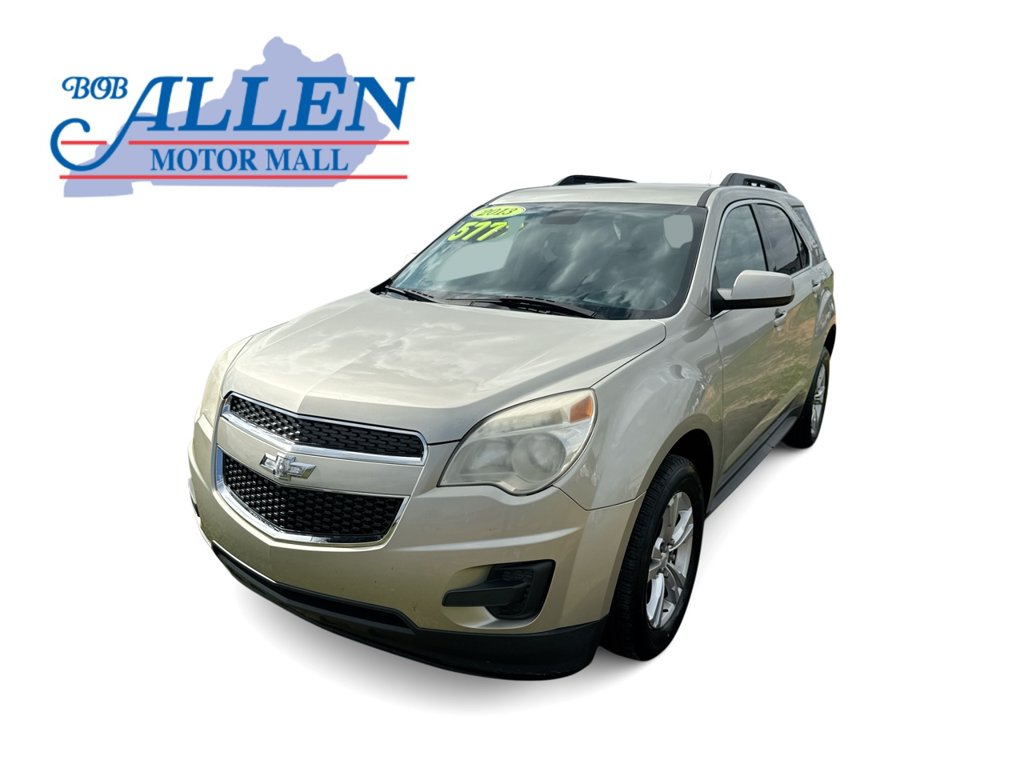
Chevrolet Equinox
The Chevrolet Equinox is often considered for comfortable seating and controls that feel straightforward for daily use.
Typical used price: $13,000 to $22,000.
Nissan Rogue
The Nissan Rogue may appeal to shoppers who want a roomy compact SUV with good fuel economy for the segment.
Typical used price: $15,000 to $25,000.
How used SUV pricing usually breaks down
Used SUV prices change with mileage, model year, trim, accident history, and local demand.
These broad ranges can help set expectations before you compare vehicles available in your area.
- Older high-mileage SUV: often around $10,000 to $15,000
- Mid-range used SUV: often around $15,000 to $25,000
- Newer low-mileage SUV: often around $25,000 to $35,000
A lower sticker price is not always the lower-cost choice if tires, brakes, or major service are due soon.
Where to look for used SUVs available locally
Because used inventory varies from one market to another, many seniors compare several local sources instead of relying on one dealership.
This can help reveal whether a vehicle is priced fairly and whether warranty or financing options differ.
- Local car dealerships
- Certified pre-owned SUV programs
- Online vehicle marketplaces
- Dealer networks with multiple locations
When reviewing used SUVs for sale locally, compare mileage, service records, trim features, and dealer fees instead of looking only at the headline price.
Certified pre-owned vs. standard used SUVs
A certified pre-owned SUV may work well for buyers who want more inspection standards and some warranty support.
A standard used SUV may make more sense for shoppers who want a lower upfront price and a wider selection.
Certified pre-owned SUVs
- Often inspected to manufacturer program standards
- May include limited warranty coverage
- Usually cost more than similar standard used models
Standard used SUVs
- Often come with a lower purchase price
- May offer more model years and trim levels to choose from
- Often make an independent inspection more important
The better option depends on your budget, comfort with risk, and how much value you place on added warranty protection.
Costs beyond the purchase price
Many buyers focus on the sale price first, but ownership costs can shape the decision just as much.
This is especially true when comparing reliable used SUVs that look similar on paper.
- Auto loan or financing terms
- Insurance premiums for the specific model and trim
- Fuel economy for daily driving
- Maintenance items such as tires, brakes, and fluid service
- Extended warranty or service plan costs
Getting insurance quotes before buying can help prevent surprises, especially if two SUVs have similar prices but different coverage costs.
Questions worth asking before buying
A short list of good questions can prevent expensive mistakes.
These questions matter whether you buy from a dealership or another local seller.
- Is there a maintenance history with receipts or service records?
- Has the SUV been in any reported accidents?
- Are all safety recalls resolved?
- Can the vehicle be inspected by an independent mechanic?
- What warranty options, if any, are included?
- Are there dealer fees or add-ons that change the final price?
Clear answers may help you avoid a vehicle that seems like a bargain but carries higher risk.
Final thoughts
Reliable used SUVs can be a practical choice for seniors when comfort, visibility, and ownership costs are reviewed together.
Comparing local inventory, checking condition carefully, and weighing certified pre-owned SUVs against standard used options can lead to a more confident decision.
 Used
Used
 Used
Used
 Used
Used
 Used
Used
 Used
Used
 Used
Used