Used SUV Market Shifts for Seniors: Why Timing May Matter Before You Choose
Many shoppers may not realize that used SUV prices often move more because of dealer backlog, model-year turnover, and local inventory swings than because of the name on the vehicle.
That timing factor may shape which trims show up, which safety features stay in stock, and how much room there may be to compare pricing.For seniors, that may matter more than many buyers expect. A search for reliable used SUVs may bring up the same models week after week, but the value may change based on when dealers get trade-ins, when lease returns hit the market, and how quickly nearby inventory turns.
If you want comfort, safety, and manageable ownership costs, it may help to look at timing first and models second. Checking current timing and reviewing today’s market offers may reveal more useful choices than relying on older price expectations.
Why Timing May Change the Used SUV Market for Seniors
Used SUV shopping often looks simple on the surface, but the market may shift in cycles. Dealers may price similar vehicles differently based on how long a unit has been sitting, how many trade-ins arrived that month, and whether newer model years are pushing older used inventory down the list.
Seasonality may also play a role. Tax-refund season may increase demand for lower-mileage SUVs, winter weather may lift interest in all-wheel-drive models, and late-year model changes may create more movement in trade-in supply.
Interest rates may add another layer. When financing costs move up, some buyers may step down from newer vehicles into mid-range used models, which may tighten supply for shoppers comparing practical SUVs.
For seniors, that may mean the same Toyota RAV4 or Honda CR-V could look very different from one month to the next. One period may bring stronger feature availability, while another may bring more room to compare standard used inventory against certified pre-owned SUVs.
What Older Drivers May Want to Check First
Many seniors may focus on comfort and safety first, and that often makes sense. But the strongest match may depend on whether current inventory includes the trim levels and model years that carry the right mix of access, visibility, and driver-assistance features.
Safety and Driver Assistance
- May include backup cameras that could make parking easier.
- May offer blind-spot monitoring, which could help on busy roads.
- May include automatic emergency braking on newer used model years.
- May offer lane-keeping support on higher trims.
Comfort and Accessibility
- May provide a higher seating position for easier entry and exit.
- May include wide door openings and supportive seats.
- May deliver a smoother ride than some smaller cars.
- May have simpler controls than larger, more complex SUVs.
Ownership Costs
- May show stronger long-term value when maintenance history is clear.
- May cost less to keep when parts are common and service is routine.
- May help with fuel costs if engine size and weight stay moderate.
These points may sound familiar, but availability often changes the real choice set. A buyer may want blind-spot monitoring and easy step-in height, yet current local stock may force a tradeoff between features, mileage, and asking price.
Reliable Used SUVs Seniors Often Compare
The models below often appear in searches for reliable used SUVs. Actual asking prices may vary by mileage, trim, service history, and how many comparable units are available locally.
Toyota RAV4
This model may appeal to shoppers who want a strong reliability record and broad resale demand. Typical used asking prices may run from $18,000 to $30,000.
Honda CR-V
The CR-V may attract buyers who want easy visibility, a smooth ride, and a practical cabin. Typical used asking prices may run from $17,000 to $28,000.
Subaru Forester
This SUV may draw more attention in colder regions or places where all-wheel drive often matters. Typical used asking prices may run from $16,000 to $27,000.
Mazda CX-5
The CX-5 may fit seniors who want a quieter cabin and more refined road feel. Typical used asking prices may run from $16,000 to $26,000.
Hyundai Tucson
This model may offer a useful mix of comfort, technology, and moderate ownership costs. Typical used asking prices may run from $15,000 to $25,000.
Kia Sportage
The Sportage may work for shoppers who want compact size and easier entry height. Typical used asking prices may run from $14,000 to $24,000.
Lexus RX
This option may suit buyers who want a smoother ride and a more upscale cabin. Typical used asking prices may run from $22,000 to $35,000.
Ford Escape
The Escape may be easier to find because supply often appears across many trims and years. Typical used asking prices may run from $14,000 to $23,000.
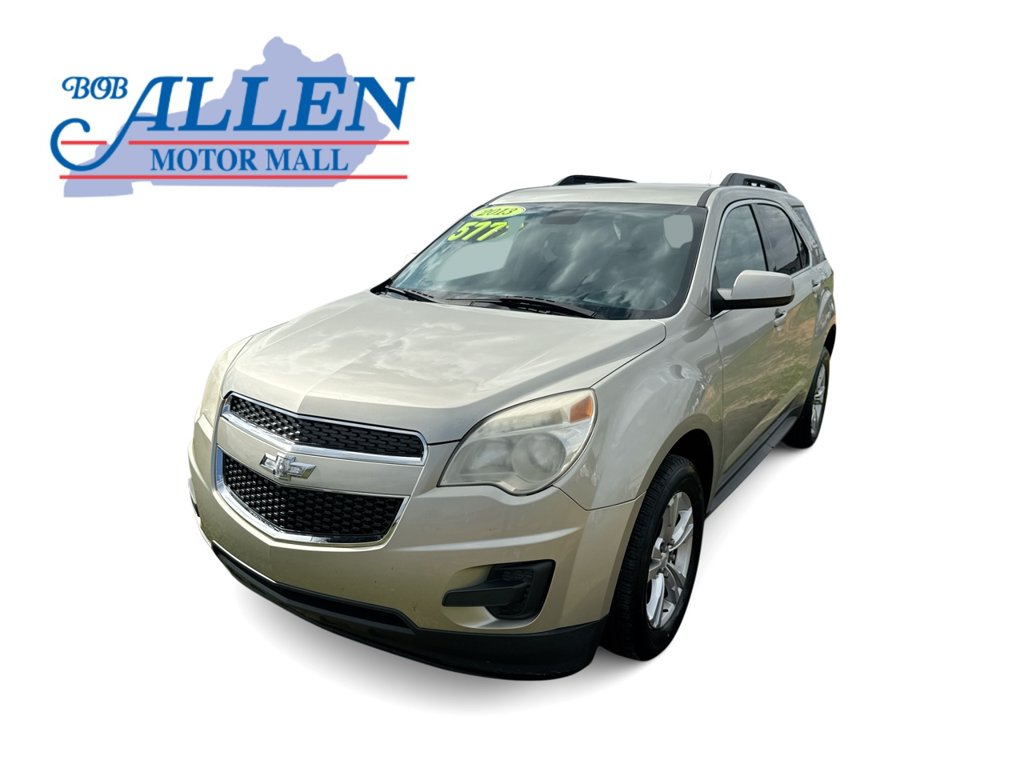
Chevrolet Equinox
This SUV may appeal to drivers who want straightforward controls and comfortable seating. Typical used asking prices may run from $13,000 to $22,000.
Nissan Rogue
The Rogue may attract buyers who want a roomy interior and solid fuel economy for this class. Typical used asking prices may run from $15,000 to $25,000.
These price bands may shift as supply changes. Off-lease returns, local trade-in patterns, and dealer reconditioning capacity may all affect which of these models show up at a given time.
How Used SUV Pricing May Shift by Condition
Used SUV pricing may move for reasons beyond age and mileage. Reconditioning costs, tire condition, accident history, and feature packages may all push similar vehicles apart in price.
| Vehicle Type | Typical Asking Range | What May Be Driving the Price |
|---|---|---|
| Older high-mileage SUV | $10,000–$15,000 | May reflect basic transportation demand, lower trim levels, and more wear-related reconditioning needs. |
| Mid-range used SUV | $15,000–$25,000 | May face the strongest demand because many buyers want newer safety features without moving into near-new pricing. |
| Newer low-mileage SUV | $25,000–$35,000 | May stay elevated when supply is tight, financing on new vehicles is less favorable, or CPO demand increases. |
That middle range often gets the most attention. It may offer the widest overlap between modern safety equipment and a lower price than a new vehicle, which may keep competition high.
Why Certified Pre-Owned SUVs May Price Differently
Certified pre-owned SUVs may cost more than standard used models, and the reason often goes beyond branding. Dealers may build in inspection costs, warranty support, and reconditioning work, which may raise asking prices even when two vehicles look similar at first glance.
Certified Pre-Owned
- May follow manufacturer inspection standards.
- May include limited warranty coverage.
- May appeal to buyers who want a more structured purchase process.
Standard Used
- May open up a wider selection of trims and model years.
- May start at a lower asking price.
- May require a separate inspection to reduce risk.
The gap between these two categories may widen or narrow depending on current supply. When cleaner trade-ins are scarce, CPO pricing may stay firm. When dealers have more volume, the premium may soften.
Where Seniors May Find Used SUVs for Sale Locally
Because inventory moves region by region, many buyers compare used SUVs for sale locally instead of relying on broad national averages. That approach may help reveal whether pricing nearby is running above, below, or close to wider market ranges.
- Local dealerships may offer the easiest test-drive access.
- Certified programs may help narrow newer, cleaner units.
- Online marketplaces may show how asking prices compare across sellers nearby.
- Dealer groups with multiple locations may provide more trim and mileage choices.
Local supply may shape more than sticker price. It may affect warranty options, trade-in leverage, and how fast a shopper needs to move when a low-mileage SUV with the right features appears.
This is where many people miss the market shift. A shopper may search one weekend, see thin inventory, and assume the segment is overpriced. Two weeks later, fresh trade-ins or lease returns may change the picture.
Financing, Insurance, and Market Conditions
Financing options may influence the used SUV market almost as much as vehicle supply. When rates rise, buyers may stretch payments by choosing older vehicles. When rates ease, some demand may move back toward newer stock.
Insurance may also vary more than expected by model, trim, and repair cost trends. A lower asking price may not always mean lower long-term cost if premiums, tires, or common repairs trend higher for that vehicle.
For seniors comparing ownership costs, it may help to check the full monthly picture. Loan terms, insurance quotes, maintenance patterns, and warranty choices may all shift which SUV feels reasonable over time.
Questions That May Help Before You Review Listings
- May the maintenance history show regular service?
- May the vehicle history report show prior accidents or title issues?
- May all open recalls already be resolved?
- May an independent inspection still be worth scheduling?
- May the current asking price line up with similar listings nearby?
- May this trim include the safety features you actually want, not just the base package?
These questions may help cut through uneven pricing. They may also make it easier to compare two similar SUVs that look close on paper but differ in history, equipment, or reconditioning quality.
Why Checking Current Timing May Matter More Than Many Expect
For seniors, the right used SUV may depend on timing as much as model choice. Inventory cycles, financing conditions, seasonal demand, and dealer capacity may all change what looks like a smart value from one month to the next.
That is why a fixed price target may not tell the full story. It may be more useful to compare options, check availability, and review listings based on what the market is showing today.
If you are narrowing down reliable used SUVs, reviewing today’s market offers and checking current timing may give you a clearer view of pricing, features, and local supply. A careful side-by-side comparison may help you spot which SUVs look strongest for comfort, safety, and long-term value in your area.
 Used
Used
 Used
Used
 Used
Used
 Used
Used
 Used
Used
 Used
Used