Tax Refund Cars Under $10K: Smart Buying Guide 2026
Buying during tax season can be a smart move if you’re targeting tax refund cars under $10K.
This practical guide explains what to expect in this price range, which models are known for reliability, where to find the best listings, and how to avoid expensive used-car pitfalls—so you can decide if using your refund for a car is right for you.1) Why Tax Season Is Popular for Budget Car Buyers
Tax season puts cash in many people’s pockets at once, and that timing lines up with common car-buying needs. Buyers often use refunds to purchase used vehicles outright, make a solid down payment to reduce monthly costs, or replace older, unreliable cars before repair bills pile up. Dealerships and private sellers know this and frequently advertise “tax refund specials” to attract shoppers.
Promotions can be helpful, but they don’t guarantee the lowest price or the best car. Always compare similar listings, verify market pricing, and inspect vehicles carefully before committing—your refund should improve your finances, not create new problems.
2) What Kind of Cars You Can Expect Under $10K
Set realistic expectations. Most vehicles under $10,000 will be older (often 7–12 years old) with higher mileage. You’ll primarily see compact and midsize sedans, plus some older compact SUVs and crossovers. Many can still be dependable if they’ve been well maintained.
Typical examples by category and age/mileage ranges you might encounter:
- Compact/midsize sedans (2012–2016): Toyota Corolla, Honda Civic, Mazda3, Hyundai Elantra, Ford Fusion, often with 110k–180k miles.
- Small SUVs/crossovers (2009–2014): Honda CR-V, Toyota RAV4, Ford Escape, Nissan Rogue, often with 130k–200k miles.
- Older luxury or performance cars: Occasionally appear, but maintenance and insurance can be costly—approach with caution.
Condition varies widely. Prioritize documented maintenance, clean titles, and rust-free bodies. In snowy climates, check for underbody corrosion; in flood-prone areas, watch for water damage.
3) Reliable Cars Often Found Under $10K
The following models are frequently recommended for value and long-term dependability when properly maintained:
- Toyota Camry and Honda Accord — Roomy, proven powertrains, widely available parts.
- Toyota Corolla and Honda Civic — Strong reliability records, excellent fuel economy, easy to service.
- Mazda3 — Fun to drive, good reliability; check for rust in older northern-market cars.
- Hyundai Elantra — Good value; later model years can offer modern safety tech at a lower price.
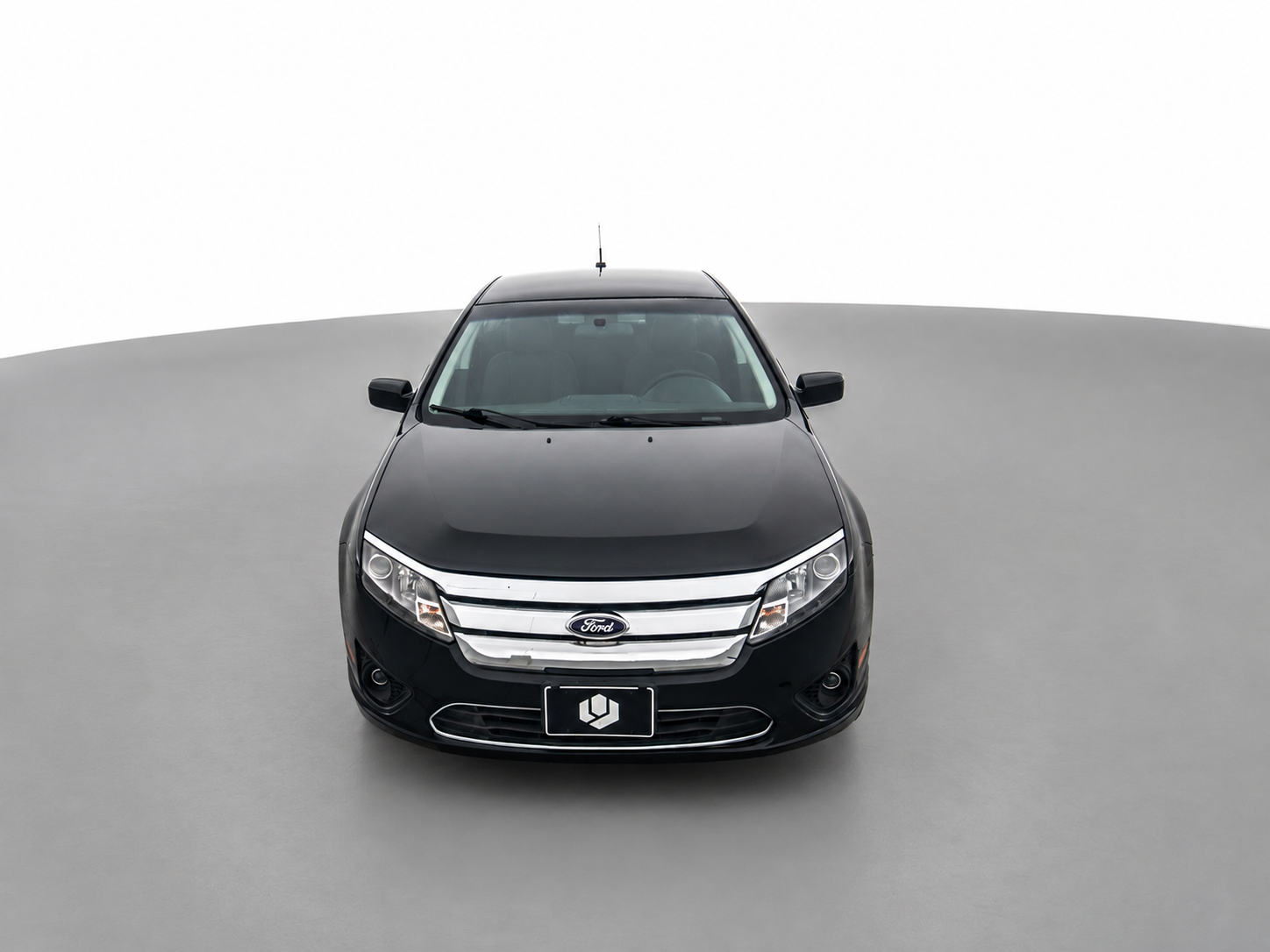
- Ford Fusion — Comfortable ride, plentiful supply keeps prices reasonable; focus on the 2.5L non-turbo for simplicity.
Why these stand out: solid reliability ratings, abundant parts, and straightforward maintenance that independent shops can handle affordably. Cross-check model-specific reliability on resources like Consumer Reports and the latest J.D. Power Vehicle Dependability Study.
4) SUVs You Might Find Under $10K
- Honda CR-V and Toyota RAV4 — Known for longevity; older years and higher mileage are common at this price.
- Ford Escape — Widespread availability; inspect transmissions and cooling systems carefully on older models.
- Nissan Rogue — Attractive pricing; have a trusted mechanic evaluate CVT health before purchase.
Trade-offs: Older SUVs may have higher maintenance costs than sedans (brakes, tires, suspension), and fuel economy is typically lower. If you don’t need the cargo space or AWD, a sedan can deliver better long-term savings.
5) Where to Find Cars Under $10K
- Local used car dealerships: Convenient test drives and trade-in options. Review dealer reputation and fees.
- Online marketplaces: Compare many listings quickly; filter by price, mileage, and distance.
- Private sellers: Often better pricing and clear maintenance history; arrange safe, public meetups and bring a friend.
- Government/bank repossessed auctions: Potential bargains but typically “as-is” with limited inspection time—best for experienced buyers.
- Certified pre-owned (CPO): Manufacturer CPO under $10K is rare, but dealer “certified” cars may appear; scrutinize what the warranty truly covers.
Tip: Build a short list of 3–5 comparable cars and track prices. The ability to walk away is your strongest negotiating tool.
6) Financing vs. Paying Cash With Your Refund
Option A: Pay Cash
- Pros: No monthly payments, no interest, simpler budgeting.
- Cons: Limits your selection; you must keep reserve funds for repairs, insurance, and registration.
Option B: Use Your Refund as a Down Payment
- Pros: Access to newer or lower-mileage vehicles; can balance reliability with affordability.
- Cons: Interest charges and full-coverage insurance can raise total costs.
Which makes sense? If you can find a well-maintained, reliable car under $10K and still keep an emergency fund, paying cash is financially conservative. If your current vehicle is failing and you need something newer for reliability or safety, using the refund as a down payment on a slightly newer car can be sensible—aim for the shortest loan you can comfortably afford, and keep your total transportation costs below 15–20% of take-home pay.
7) Total Cost of Ownership (TCO)
The purchase price is just the start. Build a full-year budget for:
- Insurance: Get quotes before you buy; older sedans usually cost less to insure than SUVs or sporty models.
- Registration, taxes, and fees: Ask the seller or DMV what to expect in your state.
- Maintenance and repairs: Oil, brakes, tires, fluids, and unexpected fixes—budget at least $600–$1,000 per year for older vehicles.
- Fuel: Compare MPG at FuelEconomy.gov; city drivers should prioritize efficient models.
- Depreciation: Slower on older cars, but condition and mileage still matter.
Use total-cost tools like KBB’s cost-to-own data to compare candidates before you decide.
8) Red Flags When Buying Cheap Used Cars
- Missing maintenance records: Lack of basic services (oil, transmission fluid, coolant) suggests neglect.
- Salvage or rebuilt titles: Lower price but higher risk for hidden issues and reduced resale value.
- Flood damage indicators: Musty odor, water lines in trunk, rust on seat rails, or silt under carpets.
- Warning lights: Check engine, ABS, or airbag lights—don’t accept “it’s just a sensor.” Get a scan.
- Unusually low price vs. market: Could indicate title problems, undisclosed damage, or imminent repairs.
Always run a vehicle history report (e.g., CARFAX or AutoCheck) and perform a pre-purchase inspection (PPI) with a trusted mechanic. Check open recalls via the NHTSA recall tool.
9) Common Mistakes to Avoid
- Skipping the test drive: Drive at highway speeds, hit bumps, test all electronics, and listen for vibrations or clunks.
- Buying without a history report: Verify title status, past accidents, and ownership count before negotiating.
- Ignoring insurance costs: Get quotes by VIN; some trims or engines raise premiums.
- Not comparing multiple cars: Look at 3–5 options to understand fair pricing and condition trade-offs.
- Focusing only on price: A $500 cheaper car can cost thousands more if it needs tires, brakes, or timing service.
Case-in-point: A 2014 Corolla with 145k miles at $8,800, one-owner with full records, may be a better buy than a 2012 compact at $8,200 with sketchy history and worn tires. Reliability and maintenance trump sticker price.
10) Decision Support Tools
Budget Car Buying Checklist
- Budget limit: $10,000 (before taxes/fees)
- Insurance estimate obtained
- Maintenance history reviewed
- Vehicle history report pulled (VIN verified)
- Pre-purchase inspection completed
- Test drive route: city + highway + hills
- Recalls checked on NHTSA
- Out-the-door total calculated (TCO considered)
“Should I Buy a Car Under $10K?”
Good option if you:
- Want to avoid large car payments
- Need reliable transportation for daily commuting
- Can handle occasional maintenance on an older vehicle
- Have the patience to compare and inspect multiple cars
Maybe finance instead if you:
- Need newer safety tech (advanced driver aids, more airbags)
- Drive high annual miles and want lower maintenance risk
- Have strong credit and can secure a short, low-rate loan
Quick Summary: Best Bets Under $10K
- Reliable sedans: Toyota Camry, Honda Accord, Toyota Corolla
- Compact cars: Honda Civic, Mazda3, Hyundai Elantra
- Small SUVs (older years): Honda CR-V, Toyota RAV4, Ford Escape
How to Evaluate Reliability Before You Buy
- Research: Read model-year reliability notes on Edmunds’ used-car guide and Consumer Reports.
- Inspect: Look for leaks, uneven tire wear, rust, and mismatched paint; verify all features work.
- Scan: Ask for an OBD-II scan printout to check hidden codes.
- PPI: Hire a mobile mechanic or shop for a pre-purchase inspection—worth every dollar on budget cars.
- Safety: Review crash-test results at the IIHS and confirm open recalls at NHTSA.
Bottom Line
Using your tax refund to buy a car under $10K can be a financially responsible move—if you prioritize reliability, verify history, and budget for ownership costs. Start with proven models, compare multiple listings, and commit to a thorough inspection process. With patience and a clear checklist, you can find dependable transportation without overextending your finances.
 Used
Used
 Used
Used
 Used
Used
 Used
Used
 Used
Used