How to Buy Reliable Cars Under $5,000
Buying a reliable car under $5,000 is absolutely doable.
With smart searching, realistic expectations, and a simple checklist, you can land a safe, efficient budget car that won’t drain your wallet with surprise repairs.Set your budget and priorities
Start with total cost of ownership, not just the purchase price. Set aside 10–20% of your budget ($500–$1,000) for catch‑up maintenance like fluids, belts, tires, and brakes. Plan for registration and taxes, insurance (get quotes before you buy), a pre‑purchase inspection ($100–$200), and possibly a one‑time alignment or battery.
Next, pick your must‑haves. For cars under $5k, reliability, maintenance history, and parts availability matter more than fancy features. Favor mainstream models with inexpensive parts and strong reliability records; skip complex luxury brands, turbocharged performance cars, and niche imports that inflate repair costs.
Finally, embrace “condition over miles.” A 180k‑mile car with meticulous records can be a better bet than a neglected 110k‑mile one. Look for one‑ or two‑owner vehicles, clean titles, and a stack of service receipts. Be cautious of salvage, flood, or rebuilt titles unless you’re experienced and the discount is substantial.
Where to find cars under $5,000
Best places to search
- Local private sellers on Facebook Marketplace and Craigslist (often lower prices, better maintenance stories).
- Classifieds and community boards at workplaces, campuses, and neighborhood apps.
- Dealer “cash cars” or wholesale lots—good for selection, but watch fees and upsells.
- Public auctions and government surplus—possible deals, but fewer chances to test or inspect.
Scan listings daily and act fast on well‑priced cars; the best budget cars disappear in hours. Set alerts for specific models and ZIP codes, and be ready to message with a clear, friendly script and a few key questions.
How to read listings like a pro
- Title status: Prefer clean title and current registration. “Lost title,” “no smog,” or “needs inspection” are red flags.
- VIN and records: A visible VIN and service receipts signal transparency. Use the VIN for a history report if the car seems promising.
- Photos and honesty: Look for consistent light, full exterior angles, interior close‑ups, tire tread, and any damage. Blurry or driveway‑only shots can hide issues.
- Pricing tells a story: A price far below market usually means hidden problems. Modded, lowered, or “project” cars rarely make good daily drivers at this budget.
What to inspect before you buy
Quick driveway check (10–15 minutes)
- Cold start: Ask the seller not to warm up the car. Listen for rattles, knocks, or long crank. Watch the idle—should settle smoothly within a minute.
- Fluids: Oil should be brown/amber (not milky). Transmission fluid should be pink/red and not burnt. Coolant should be clean, not rusty. Low or filthy fluids suggest neglect.
- Leaks and rust: Look under the car for fresh drips. Check frame rails, strut towers, and rocker panels for rust, especially in snowy or coastal areas.
- Tires and brakes: Uneven tire wear hints at alignment or suspension issues. Pulsing during a low‑speed stop suggests warped rotors.
- Electrics: Test windows, locks, AC/heat, lights, wipers, and radio. Broken AC can cost $500+ to fix—negotiate accordingly.
Test drive route (15–20 minutes)
- City streets for stop‑and‑go shifts and brake feel; a smooth stop should be straight and quiet.
- A short highway run to 60–65 mph to check vibration, alignment, and transmission behavior.
- Hard acceleration once (safely) to listen for misfires; gentle cruising to check for surging.
- Turn the wheel lock‑to‑lock in a parking lot—clunks can indicate worn axles or struts.
Bring a $25 OBD‑II scanner (or a free app with a Bluetooth dongle) and scan for codes. Even if the dash light is off, stored or pending codes can indicate problems. If the car passes your checklist, invest in a professional pre‑purchase inspection. Many shops offer a 50‑point check that can save you thousands.
Smart negotiation and what a fair price looks like
Pull comps from multiple sources (local listings, KBB/Edmunds ranges, Facebook Marketplace). Adjust for condition, mileage, maintenance history, and immediate needs (tires, brakes, windshield, timing belt). Create a simple spreadsheet so you can talk numbers with confidence.
Use a friendly, factual approach: “I like the car and can meet today. Given the worn tires (~$500) and overdue timing belt (~$700), would you consider $3,700 cash?” Be prepared to walk if the seller won’t budge and the math no longer makes sense.
Good target models under $5,000
Availability varies by region and market, but the following nameplates often show up in decent, high‑mileage condition with affordable parts and strong reliability reputations:
- Toyota: Corolla, Camry, Yaris, Matrix; older RAV4 and Prius (watch hybrid battery health).
- Honda: Civic, Accord, Fit, older CR‑V (watch for transmission service history).
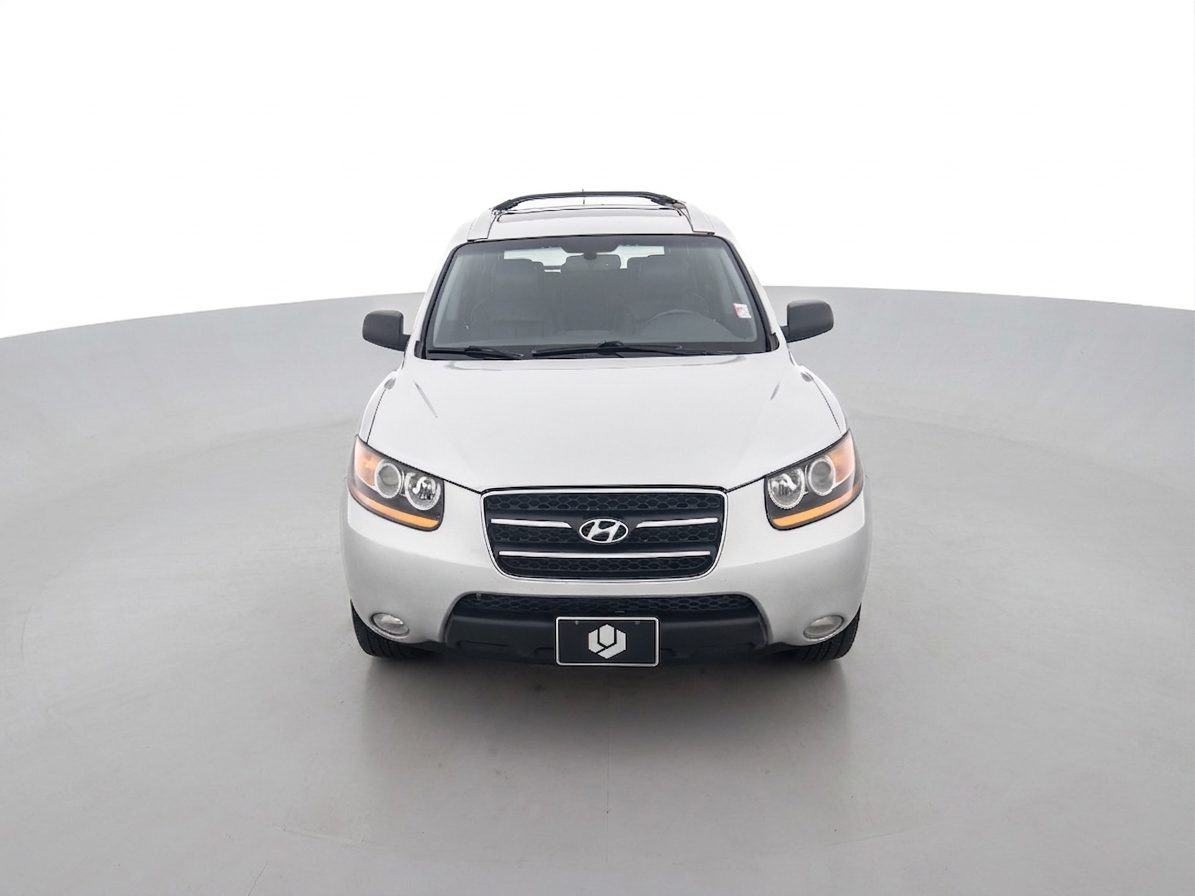
- Hyundai/Kia: Elantra, Sonata, Forte, Spectra (2008–2013 often good value).
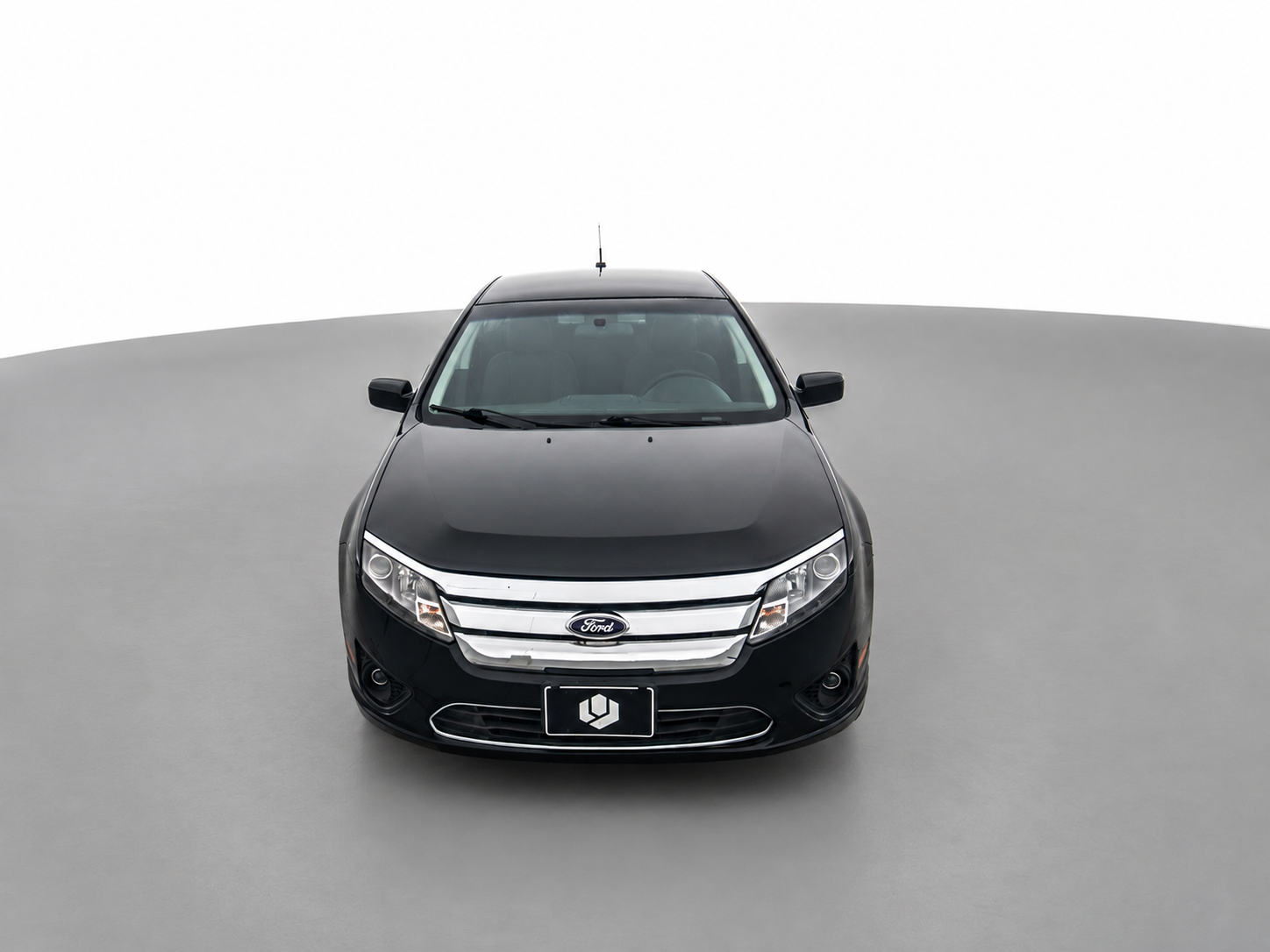
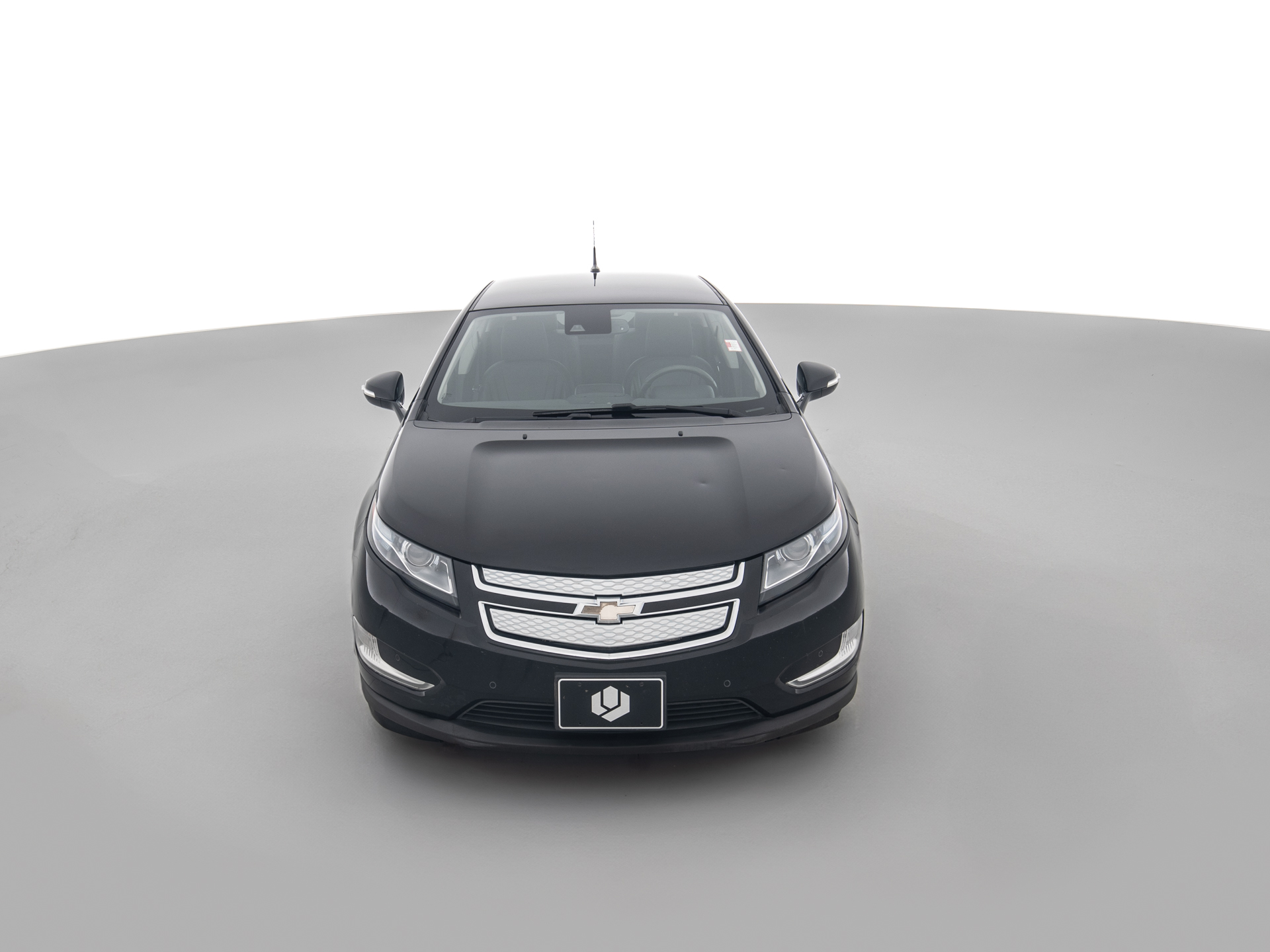
- Ford/Chevrolet: Focus, Fusion, Malibu, Impala, older Escape; Crown Victoria/Grand Marquis for simple V8 drivetrains.
- Mazda/Subaru: Mazda3, Mazda6 (check for rust); Subaru Impreza/Legacy (inspect head gaskets and AWD components).
Tip: Research common issues by model year. For example, some older Honda automatics benefit from frequent fluid changes, certain Subaru 2.5L engines need head gasket attention, and timing‑belt engines (many Toyotas, Hondas, and Hyundais) require belt/water pump service roughly every 90k–105k miles.
Total cost of ownership: avoiding budget busters
- Fuel economy: A 30 mpg compact car vs. a 20 mpg sedan at 12,000 miles/year can save roughly $700–$900/year at typical gas prices.
- Insurance: Older, lower‑value cars may be cheaper to insure. Consider dropping comprehensive if the premium exceeds 10% of the car’s value.
- Maintenance fund: Set aside $50–$75/month for routine maintenance; it’s cheaper than emergency repairs.
- Parts availability: Common models mean cheaper aftermarket parts and faster repairs.
Financing, payment, and paperwork
How to pay
- Cash or cashier’s check are simplest. If meeting a private seller, do the exchange at a bank for safety and immediate verification.
- Small personal loan or credit union can work, but interest may be high for older cars. Keep the term short.
- Avoid buy‑here‑pay‑here dealers with high interest and fees that can double your total cost.
Paperwork checklist
- Match the seller’s ID to the name on the title. Ensure no liens.
- Bill of sale with VIN, price, date, and “as‑is” language.
- Odometer disclosure if required by your state.
- Smog/emissions certificate where applicable.
- Temporary tag or transport permit if needed for the trip home.
Case study: Landing a $4,200 commuter
Alex needed a commuter car under $5k. After two weeks of searching, they found a 2009 Toyota Corolla with 182k miles listed at $4,800 by a private seller. The listing had a clean title, VIN, and a folder of service records. A cold‑start test sounded good; tires were 50%; AC blew cold; but the serpentine belt was cracked and front pads were thin. An OBD‑II scan showed no active or pending codes.
Alex scheduled a $140 pre‑purchase inspection that confirmed: front brakes due within 2k miles, oil seep at the valve cover, and a weeping radiator hose. Armed with this, Alex offered $4,200 cash, citing $350 in parts and $200 labor for immediate items. The seller agreed. Alex budgeted an additional $600 for brakes, belt, and hoses the first week and has since driven 12,000 trouble‑free miles with only oil changes.
Your 30‑minute buying plan
- Screen listings (10 min): Check title status, VIN, maintenance notes, clear photos, and obvious red flags.
- Call or message (5 min): Ask: Can I cold‑start it? Any check‑engine lights? When were brakes/tires last done? Timing belt status? Why selling?
- Driveway check (10 min): Fluids, leaks, rust, electronics, tire wear pattern.
- Short test drive (10–15 min): City stop‑and‑go, a brief highway stint, parking lot full‑lock turns, and an OBD‑II scan.
- Negotiate and lock it in: Use your punch list (tires, brakes, belt, windshield, alignment) to justify a fair number. Be polite and decisive.
 Used
Used
 Used
Used
 Used
Used
 Used
Used
 Used
Used
 Used
Used
Final tips for buying a car under $5,000
- Be first and prepared: Have funds ready, bring a friend, and schedule viewings during daylight.
- Trust patterns, not promises: Consistent records and a calm test drive beat verbal assurances.
- Keep it simple: Fewer gadgets = fewer expensive failures. Manual climate knobs, steel wheels, and non‑turbo engines age better.
- Walk away power: There will always be another car. Don’t let urgency force a bad buy.
With a clear plan, a realistic eye for condition, and a small maintenance cushion, you can find a dependable daily driver under $5,000 that keeps your budget—and your stress—under control.