Best Used Kia Under $5,000: Smart Buyer Guide
Shopping for a used Kia under $5,000 is absolutely doable if you know where to look and what to check.
With realistic expectations and a smart inspection strategy, you can land a dependable commuter, a first car for a new driver, or a budget-friendly second vehicle without draining your savings.Best Kia Models You Can Find Under $5,000
In today’s market, the most common “Kia under 5k” candidates include the Kia Rio (2007–2013), Kia Spectra (2005–2009), early Kia Forte (2010–2012, usually high mileage), Kia Optima (2006–2010), Kia Soul (2010–2011 at higher mileage), and Kia Sedona minivan (2006–2012). These are typically older, higher-mileage examples, but many have straightforward drivetrains and inexpensive parts, which helps keep total ownership costs in check.
If you want simple and thrifty, a Rio or Spectra is hard to beat; for more space and style, a first‑gen Soul is a great city car; for family duty, a well-kept Optima or Sedona offers more room for the money. Prioritize maintenance history over model year—a clean, serviced 2008 may be a better buy than a neglected 2012 at the same price.
Expect 120,000–200,000+ miles at this price point. Seek cars with fewer owners, clean titles, and evidence of consistent oil changes and major services (belts, brakes, tires). Base trims are okay—fewer gadgets often means fewer things to break.
Smart Buying Checklist (So You Don’t Buy a Headache)
- Set the total budget: price + tax/title/registration + insurance + an immediate maintenance reserve. For a $5k cap, aim to spend ~$4k–$4.5k on the car and hold $500–$1,000 for catch‑up maintenance.
- Run a VIN history report: look for accidents, salvage/flood titles, odometer issues, and frequent auction flips.
- Check for open recalls: use the NHTSA VIN lookup; recalls are fixed free at dealerships.
- Scan for codes: bring a basic OBD‑II scanner. Hidden pending codes can reveal misfires, EVAP leaks, or transmission faults.
- Service records win: ask for receipts. Regular oil changes and documented timing belt/water pump (where applicable) are big green flags.
Mechanical Checks That Matter
- Cold start: listen for rattles, knocking, or long cranking. Exhaust smoke on startup can hint at valve seal or ring wear.
- Idle and rev: the engine should idle steadily. Watch for shaking (motor mounts), roughness (misfire), or a check engine light.
- Transmission behavior: shifts should be smooth and timely. Slipping, flaring RPM, or harsh shifts are red flags.
- Cooling system: let it reach temperature; verify the fans kick on and the gauge stays centered. Overheating is a deal‑breaker.
- Leaks: look under the car after the test drive for fresh oil, coolant, or transmission fluid.
- Timing belt vs. chain: many older Kias (e.g., Spectra) use a timing belt—confirm the last replacement. If unknown, budget $400–$800.
Body, Rust, and Interior
- Rust hotspots: rocker panels, wheel arches, and undercarriage. Surface rust can be okay; structural rust is not.
- Panel alignment: inconsistent gaps suggest accident repair. Check for overspray on weatherstripping and trim.
- Electrical bits: windows, locks, AC, heater fan speeds, radio, and all gauges. Small electrical gremlins add up.
Common Issues on Older Kias (and Typical Costs)
- Timing belt + water pump (Spectra, some older Optima/Rio): $400–$800 parts/labor. Negotiate if there’s no proof it was done.
- Front struts or rear shocks: $250–$600. Look for uneven tire wear or bouncing over bumps.
- CV axles/boots: $150–$400 each if clicking on turns.
- Wheel bearings: $300–$500 per corner; a low growl that increases with speed is the tell.
- AC service: recharge $150–$250; compressor replacement $600–$1,000.
- Brake refresh (pads/rotors): $250–$500 per axle depending on brand and shop rates.
- Alternator or starter: $300–$600; slow cranking or battery light can hint at issues.
Parts availability for Kia economy models is generally good and affordable, and many jobs are DIY‑friendly if you’re handy. Use these costs to negotiate—if the tires are near bald, for example, you can reasonably ask for $400–$700 off depending on size and brand.
Where to Find a Reliable Kia Under $5,000
- Private sellers: often the best value and access to history. Ask why they’re selling, how long they’ve owned it, and for maintenance records.
- Small independent dealers: expect higher prices and fees, but you can test multiple cars quickly. Read reviews and examine warranty terms closely.
- Online classifieds/marketplaces: set alerts for “Kia Rio,” “Spectra,” “Soul,” and “Optima” with price caps. Move fast on clean listings.
- Public auctions: only if you’re experienced; cars are as‑is and you may not get a proper test drive.
Negotiation Tips That Work
- Show comps: bring 3–5 similar listings (year, miles, trim) to justify your offer.
- Itemize reconditioning: “It needs tires (~$600), a belt service (~$500), and front brakes (~$300). I’m comfortable at $4,000.”
- Cash + scheduling: be ready to meet at the seller’s convenience and close quickly after a pre‑purchase inspection (PPI).
- Stay polite, be ready to walk: there’s always another car. Avoid getting attached to any single listing.
Ownership Math: Plan the First Year
Budgeting beyond the sticker price prevents surprises. Here’s a realistic first‑year example for a “Kia under $5k” daily driver:
- Purchase price: $4,300
- Tax/title/registration: $300–$600 (varies by state)
- Immediate maintenance: $700 (fluids, filters, belt check, wipers, alignment)
- Insurance: $800–$1,400/year depending on coverage and location
- Contingency fund: $500 for unexpected repairs
This puts you near the $5,800–$6,800 range for total first‑year ownership, which is still far below the cost of financing a newer car—and you avoid monthly payments.
Quick Model Snapshot (Pros/Cons)
- Kia Rio (2007–2013): Excellent fuel economy, simple mechanics, plenty available. Smaller cabin; highway noise can be higher.
- Kia Spectra (2005–2009): Underrated compact with a timing belt—confirm service history. Basic interior, but cheap parts and repairs.
- Kia Forte (2010–2012): More modern feel; under $5k usually means higher miles. Look for transmission smoothness and suspension wear.
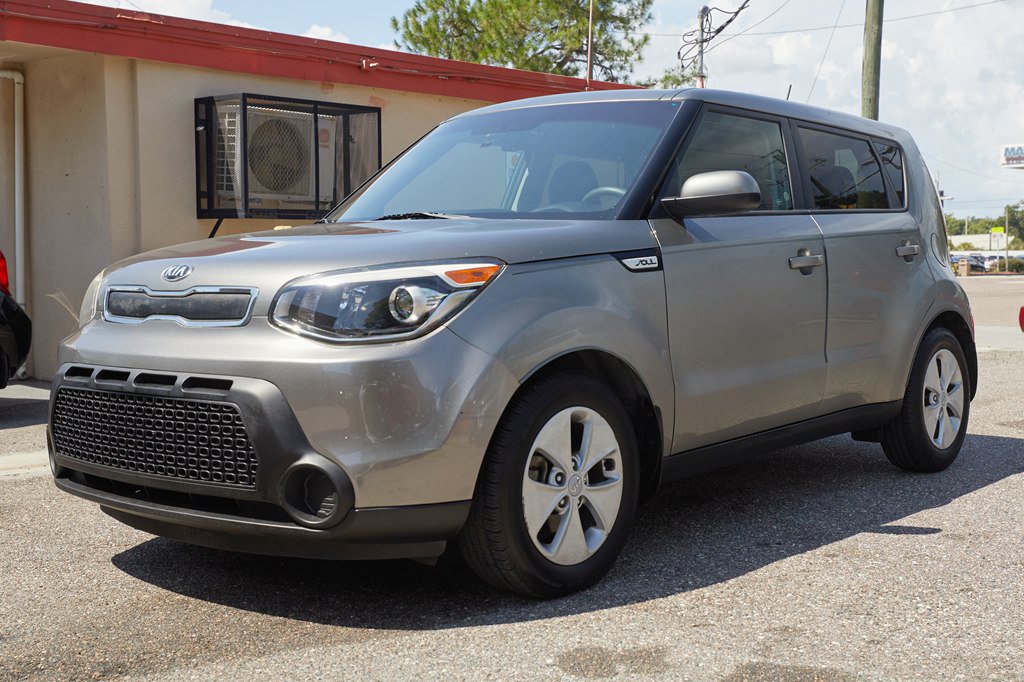
- Kia Soul (2010–2011): Upright seating, great visibility, and roomy cargo for the size. Expect higher miles; listen for suspension clunks.
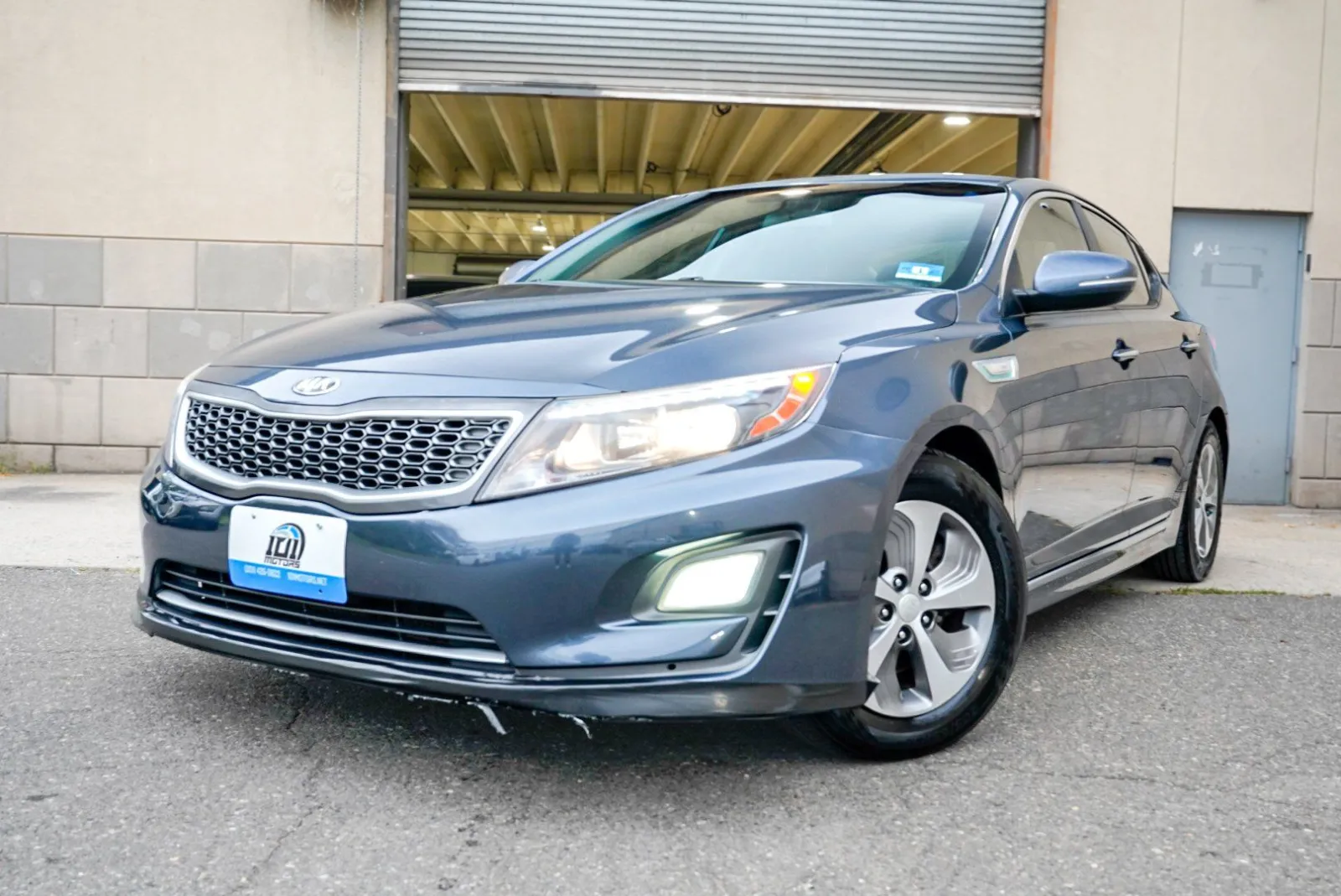
- Kia Optima (2006–2010): Comfortable midsize with solid highway manners. Check for oil leaks and maintenance history.
- Kia Sedona (2006–2012): Huge value if you need 7 seats; budget extra for brakes, tires, and suspension due to vehicle weight.
 Used
Used
 Used
Used
 Used
Used
 Used
Used
 Used
Used
 Used
Used
When to Walk Away
- Overheating, engine knock, or milky oil (possible head gasket) during the test drive.
- Multiple warning lights with vague excuses.
- Salvage/flood title unless you are deeply experienced and the price reflects the risk.
- Seller refuses a mechanic’s pre‑purchase inspection.
- Rust that compromises structure (holes in rocker panels or frame rails).
Final Take
Finding a solid Kia under $5,000 isn’t about luck—it’s about process. Target the right models, verify history, inspect thoroughly, and budget for the first round of maintenance. Do that, and you’ll end up with a dependable, affordable ride that delivers exactly what you need for years to come.